

Active local weather warning
High Wind Warning: Commercial Roof Help in Boston, Chelsea, Quincy, and Revere
The National Weather Service has issued a high wind warning covering Boston, Chelsea, Quincy, and Revere. Strong winds can loosen roof edges and flashings or affect rooftop equipment. This is a weather exposure advisory; it does not establish damage to a specific roof.
Do not access a roof during hazardous weather. Protect people first, avoid water near electrical equipment, and request roofing help when conditions permit.
National Weather Service · Updated Sep 27, 2026, 6:46 AM UTC
Clear roof decisions for occupied buildings, active schedules, and Boston weather.
Commercial roof repair, replacement, coatings, maintenance programs, inspections, and condition reports for owners and facility teams across Boston. A flat roof plan needs more than a quick patch. It needs a field read, a sensible repair or replacement path, and communication that works for the people inside the building. Local commercial roofers and commercial roofing contractors serve Boston businesses with repair, replacement, coatings, maintenance, inspections, and roof reports.
A documented path before the roof plan moves.
Every building starts with the same discipline: understand the roof condition, protect operations, and choose the next step that fits the assembly.
Repair
Leak history, active water entry, membrane damage, and flashing details are organized into a clear repair path.
Replace
Aging roofs are reviewed for tear-off, recover, insulation, drainage, phasing, and warranty intent.
Maintain
Maintenance planning keeps drains, seams, penetrations, edge metal, and traffic zones in view.
Document
Photos, roof notes, priorities, and next steps keep decisions grounded in the roof condition.
Three common ways into a commercial roof plan.
Start with urgent leaks, replacement planning, or coating suitability, then move into the roof-system and property details that shape the work.
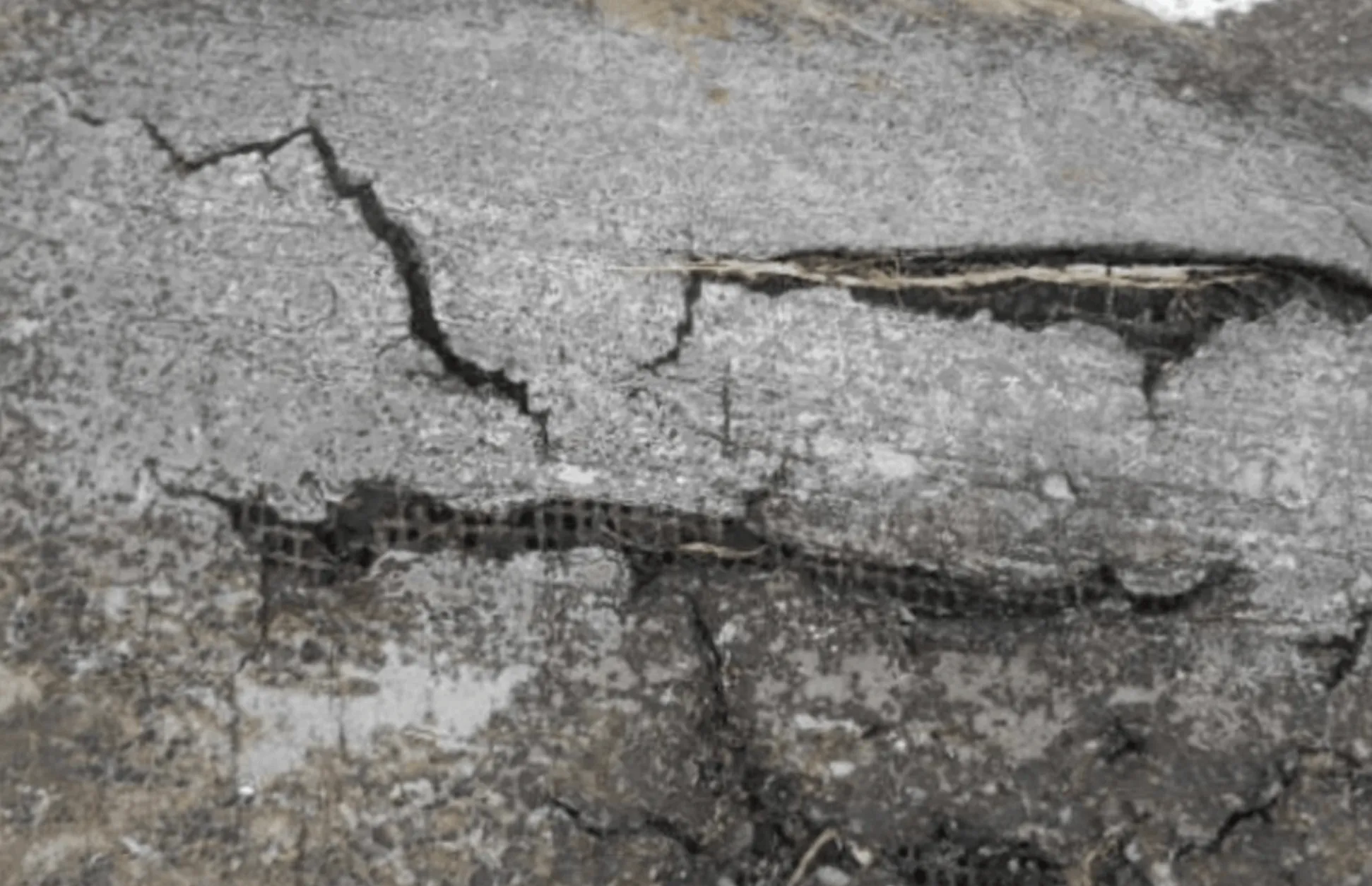
Commercial roof leak repair
Find the leak path, protect the occupied space, and document what needs repair before the next weather window.
View path
Replacement planning
Build a replacement path around access, tear-off timing, insulation, drainage, and continued building operation.
View path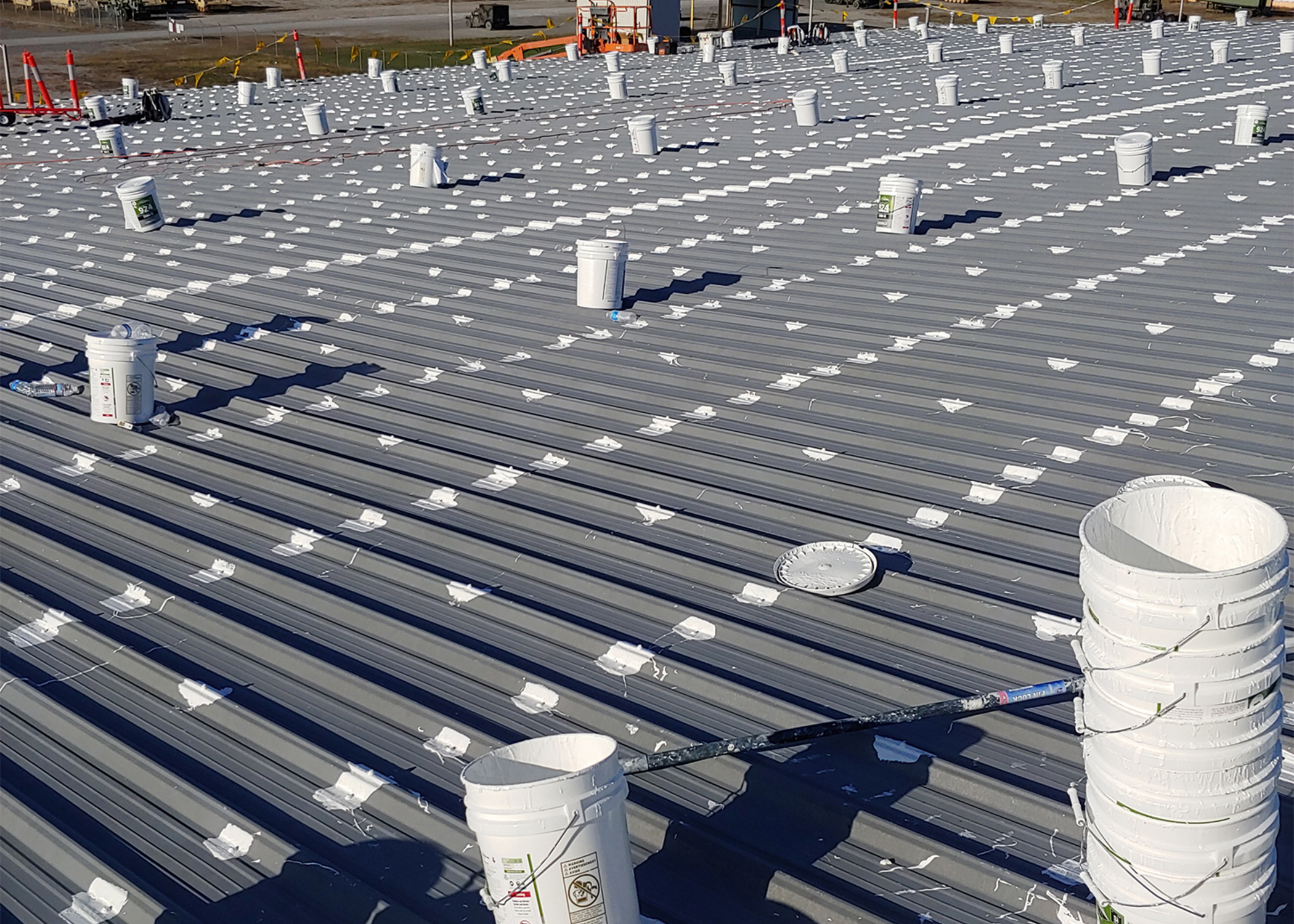
Coating decisions
Review whether the existing membrane can support a coating path or needs a different roof-system decision.
View pathFrom downtown towers to industrial edges, the roof plan follows the building.
The same roof issue can require different phasing in Back Bay, the Seaport, Logan Airport, Cambridge, Waltham, or the Route 128 corridor. Local pages keep the planning tied to the property context.
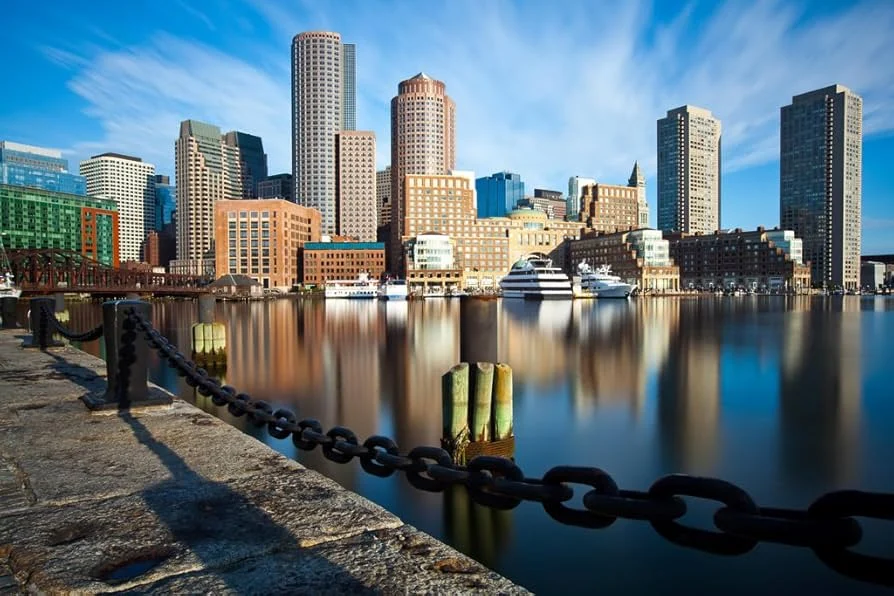
Cinematic roof planning across the Boston market.
Move through top Boston-area roof markets, then open the full location index when you need a specific property corridor.
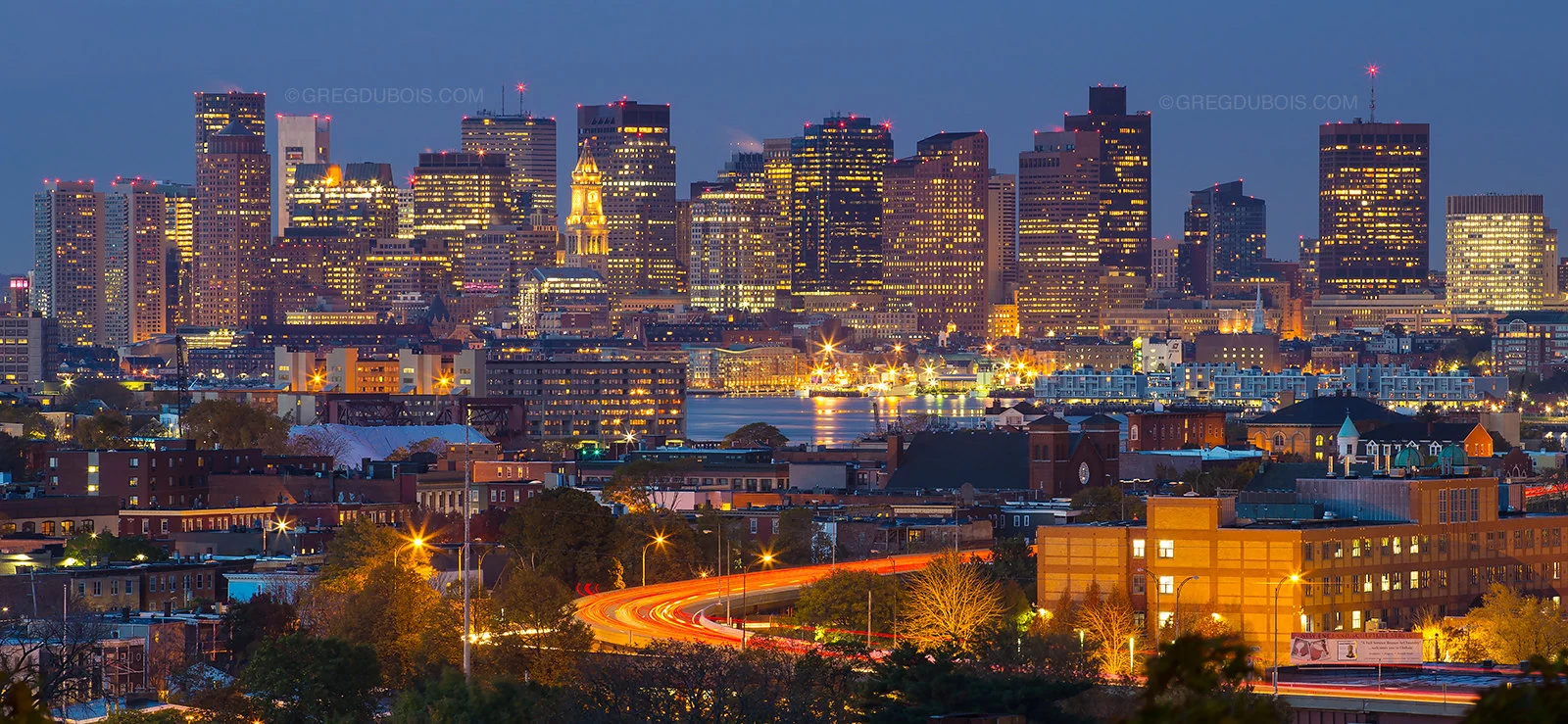 Boston, MA
Across Boston's dense downtown and harbor districts, commercial roofs face Nor'easters, deep-winter ice, and salt-laden coastal wind, so flat low-slope systems here are detailed for uplift and watched closely through every freeze-thaw season.
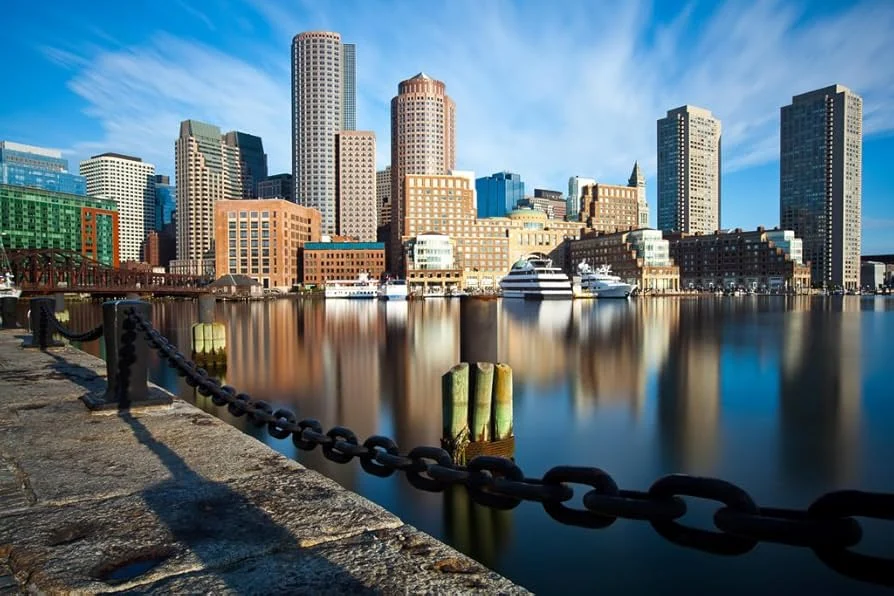 Back Bay, MA
Back Bay's brownstones and mixed-use blocks pair historic masonry with flat low-slope roofs, where tight street access and protected facades shape how crews stage work and detail the parapets and flashings these older buildings depend on.
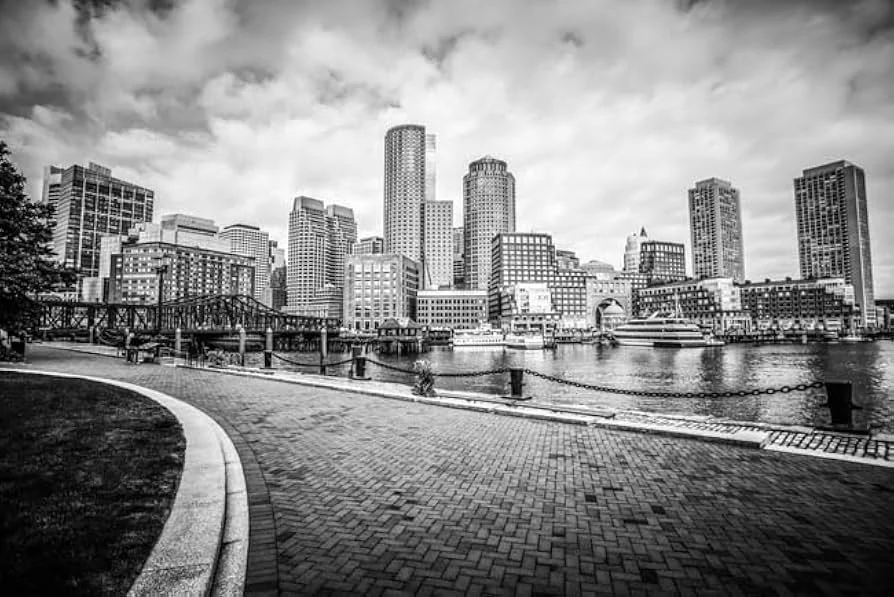 Seaport District, MA
The Seaport District's modern towers and convention space stand fully exposed to harbor wind, so commercial roofing here demands stringent uplift detailing and tight perimeter fastening on these tall, weather-beaten waterfront buildings.
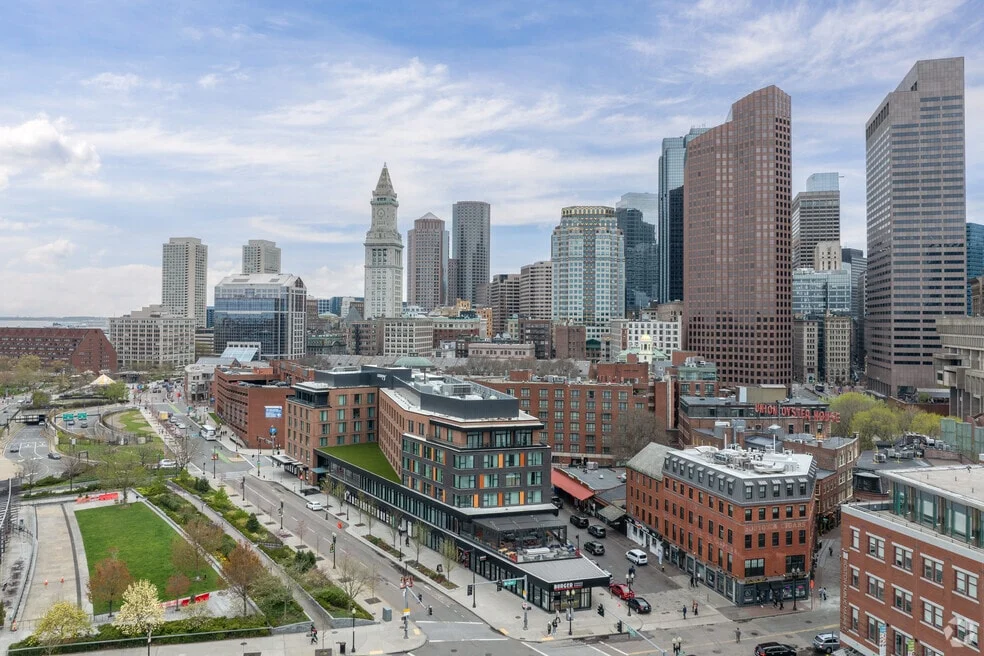 Cambridge, MA
Cambridge packs lab buildings, university facilities, and tech offices into a tight footprint, so commercial roofing here protects sensitive research interiors and coordinates closely around the dense rooftop mechanicals these uses demand.
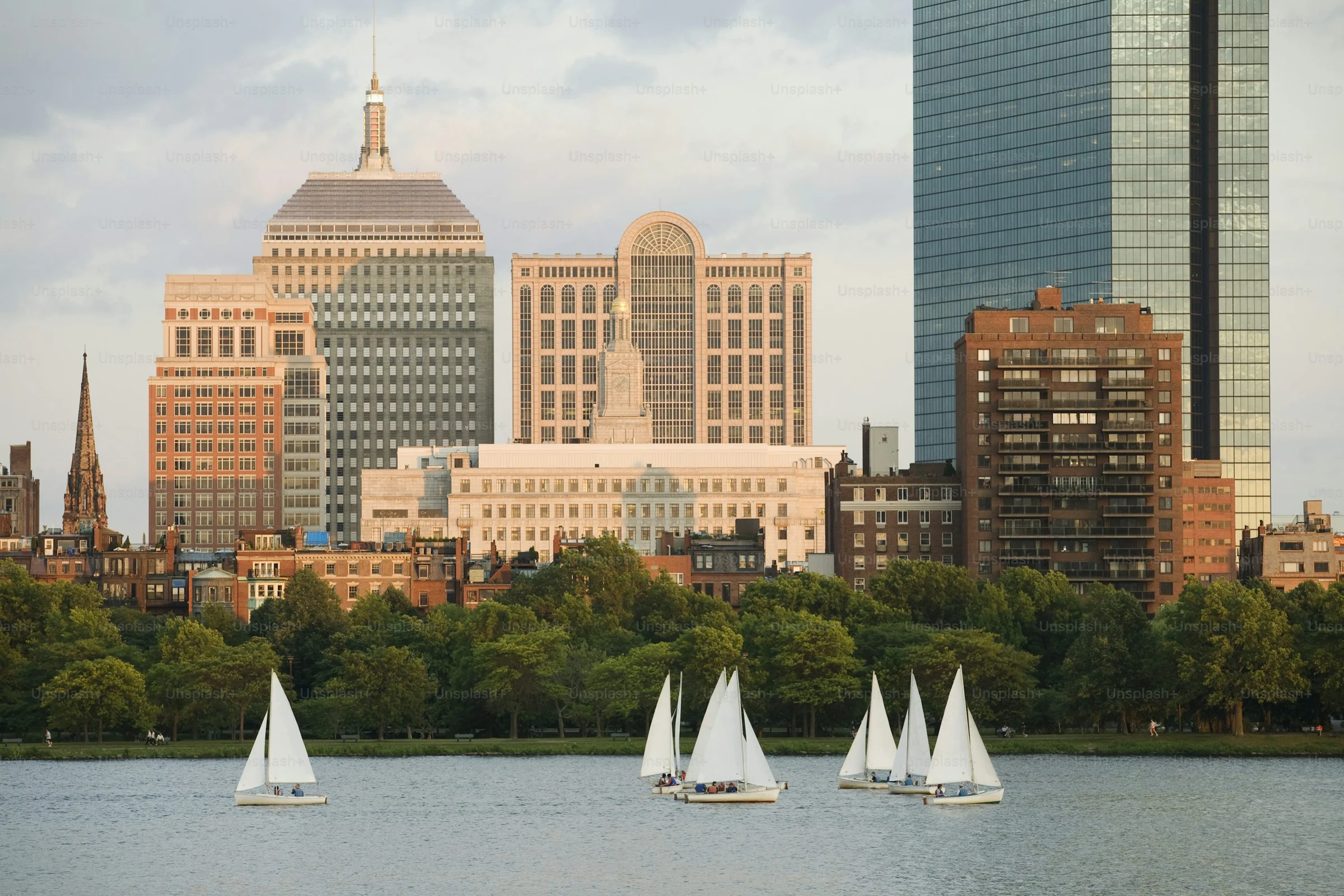 Logan Airport, MA
Around Logan Airport, commercial and aviation-adjacent roofs face strong harbor wind, salt air, and strict operational constraints, so uplift-rated systems and careful scheduling define roofing work in this exposed coastal zone.
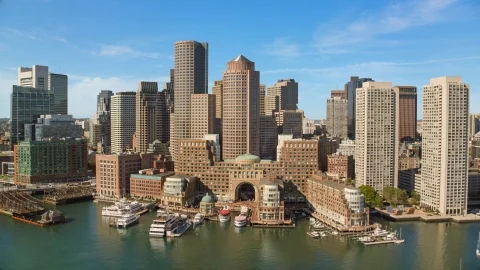 Waltham, MA
Waltham's biotech buildings, offices, and campuses along Route 128 carry flat roofs over sensitive interiors, so commercial roofing here protects research space and coordinates around the rooftop systems these facilities depend on.
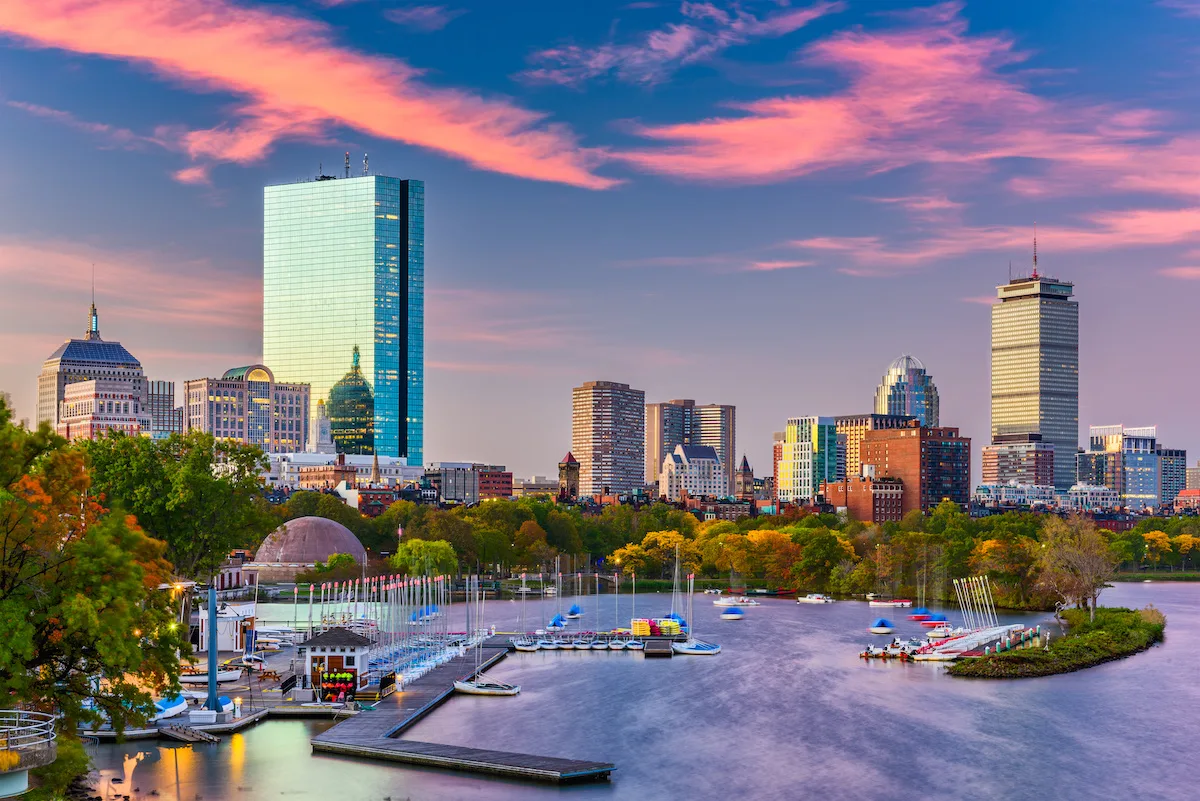 Route 128 Corridor, MA
Along the Route 128 corridor, office and tech campuses sit on open, wind-exposed sites, so commercial roofing here centers on uplift-resistant edge detailing and the large-span drainage these expansive low-slope roofs require.
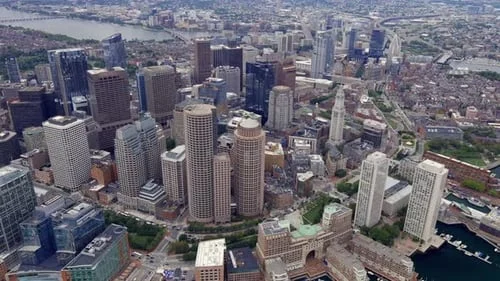 South Boston Waterfront, MA
On the South Boston Waterfront, high-rise offices and hotels meet direct coastal exposure, so roofing here relies on uplift-rated systems and corrosion-resistant detailing to withstand the harbor's relentless wind and salt.
Start with the roof decision that matters most.
The strongest Boston roof paths come first: active leaks, documented inspections, replacement planning, maintenance, proven membranes, coating restoration, and occupied buildings that cannot afford disruption.
Commercial Roof Leak Repair
Active leak response comes first because tenant disruption, wet insulation risk, and interior damage can move fast during Boston storm cycles and freeze-thaw weather.
Open details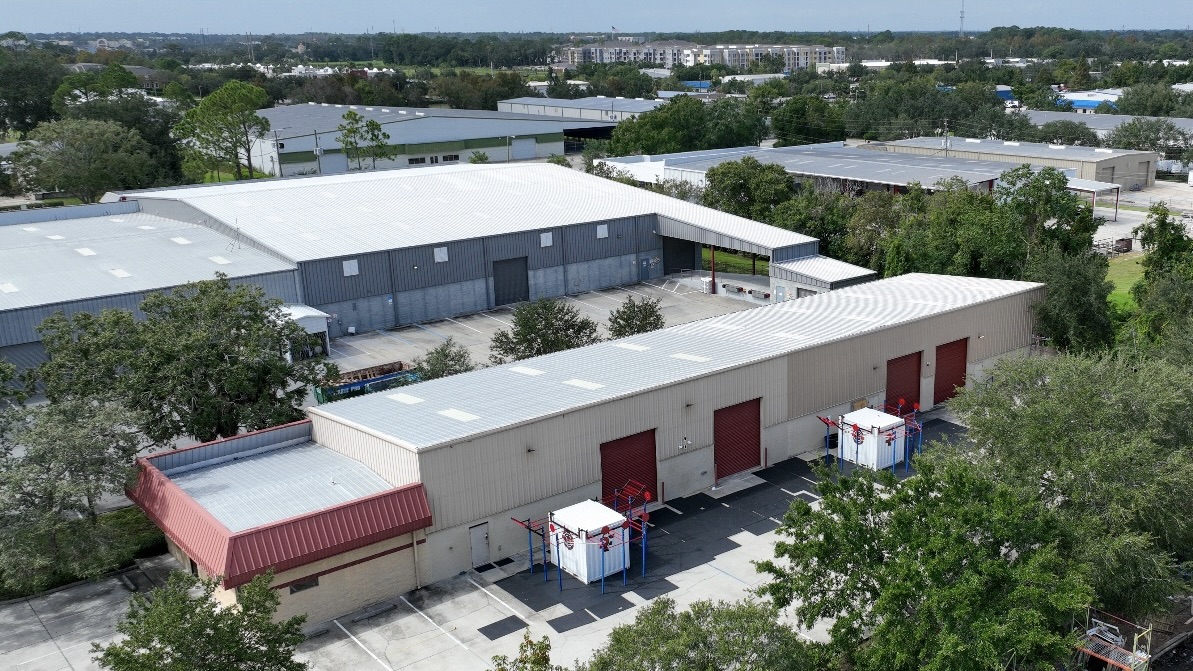
Commercial Roof Inspection
A documented roof inspection gives owners the evidence they need before choosing repair, coating, recover, replacement, or capital planning.
Open details
Commercial Roof Replacement
Replacement planning belongs near the top for aging Boston roofs where repeated repairs, trapped moisture, or code upgrades change the scope.
Open details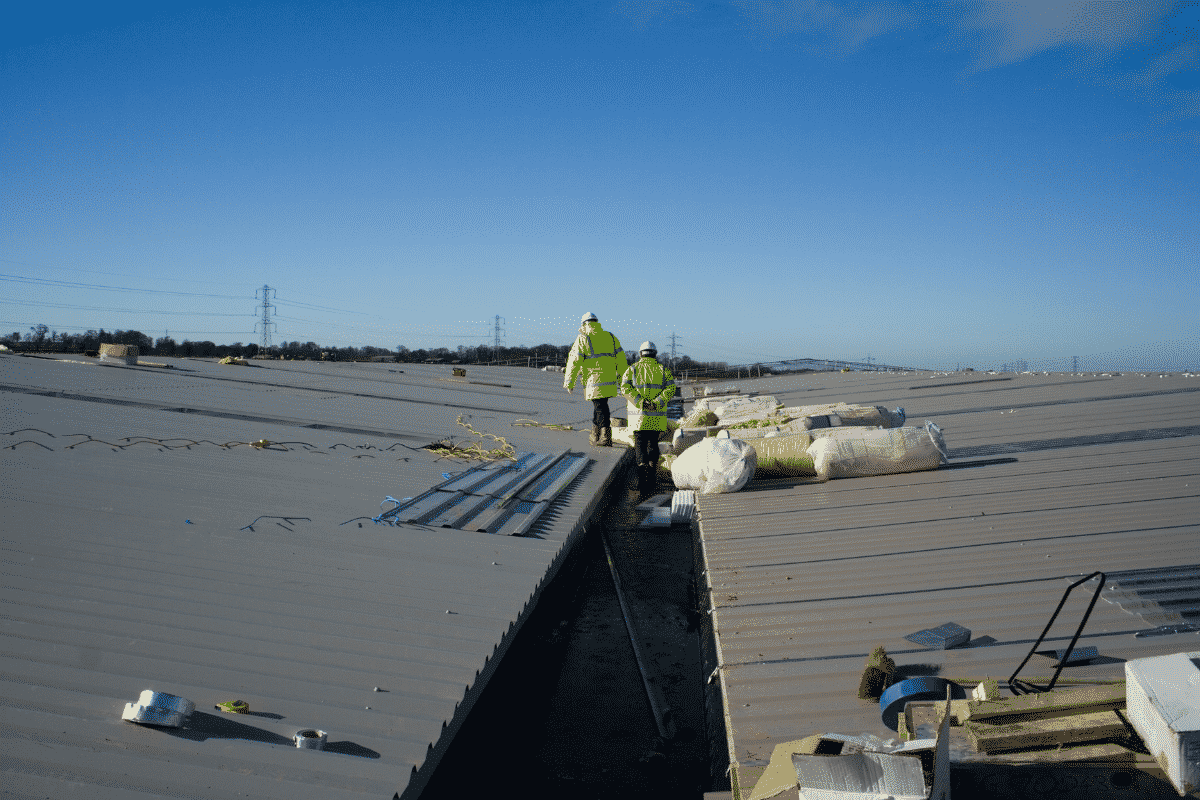
Preventive Roof Maintenance
Maintenance keeps drains, seams, flashings, penetrations, and edge metal under control before small roof problems turn into expensive interior issues.
Open details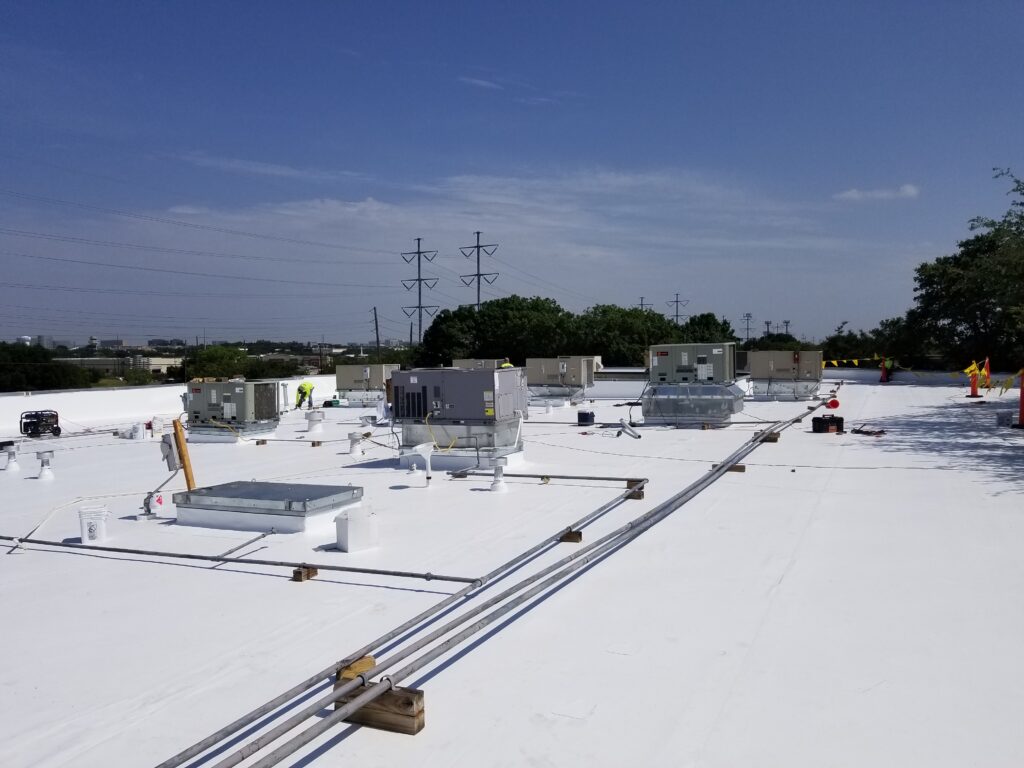
TPO Single-Ply Roofing
TPO is a core low-slope option for reflective Boston roof assemblies, welded seams, and broad commercial buildings that need efficient membrane coverage.
Open details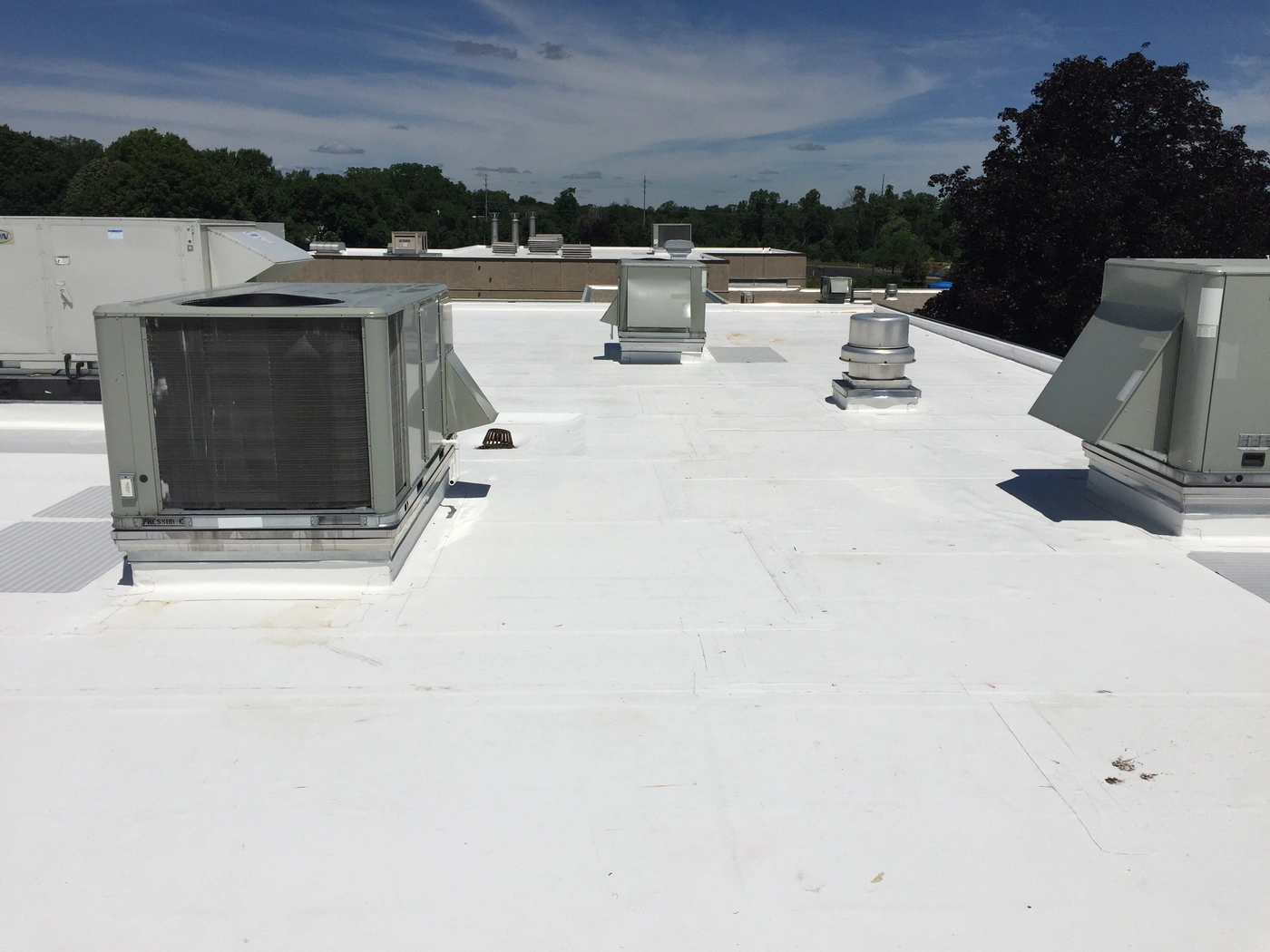
PVC Roofing
PVC deserves a front-row spot for restaurants, labs, healthcare spaces, and coastal buildings where chemicals, grease, or exposure demand tougher thermoplastic performance.
Open details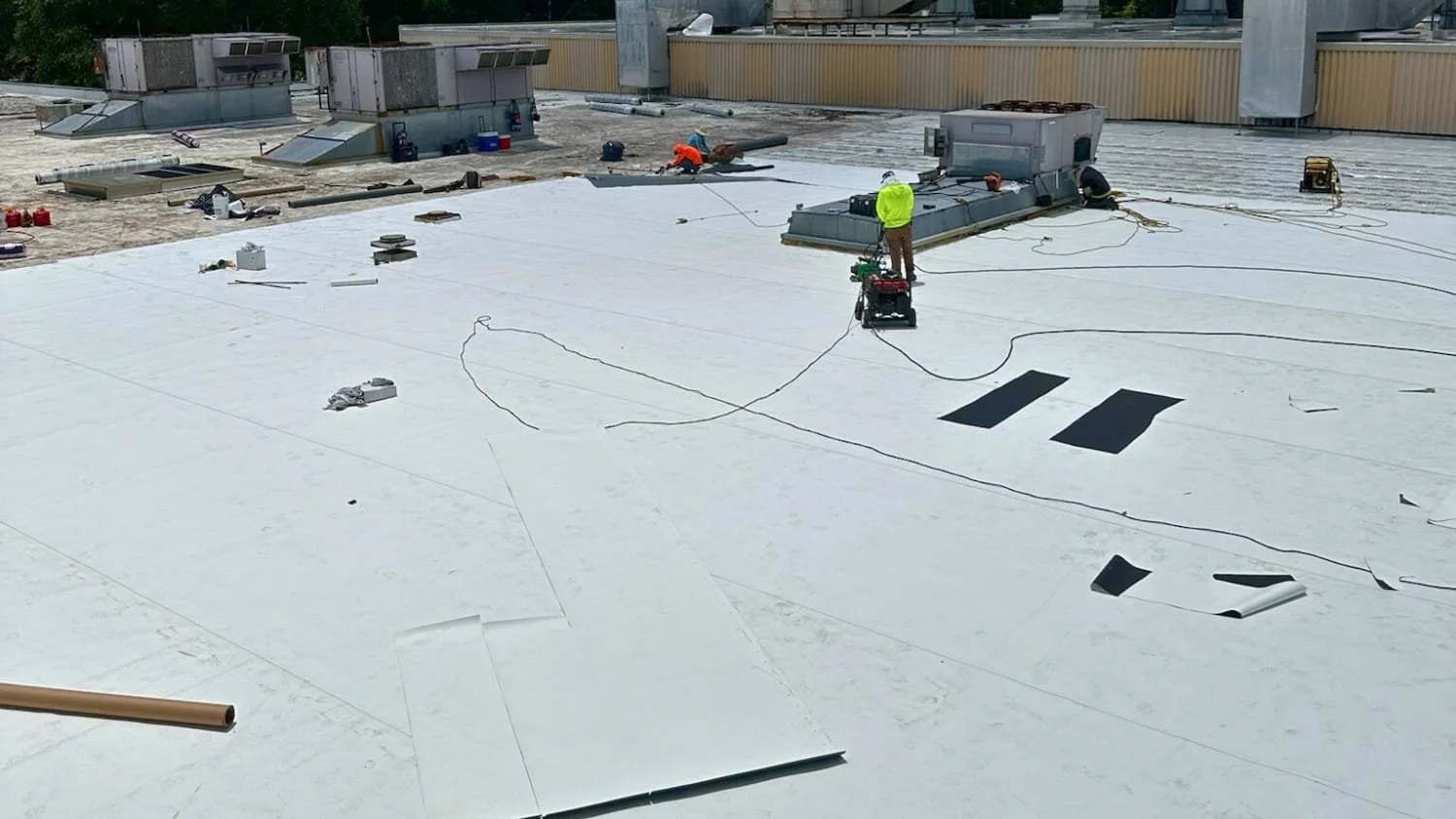
EPDM Commercial Roofing
EPDM remains one of the most proven Boston roof systems for cold-weather flexibility, large low-slope decks, and long-service commercial roofs.
Open details
Silicone Roof Coatings
Silicone coating review belongs here because sound dry roofs can often be restored without forcing a full tear-off when the existing assembly qualifies.
Open details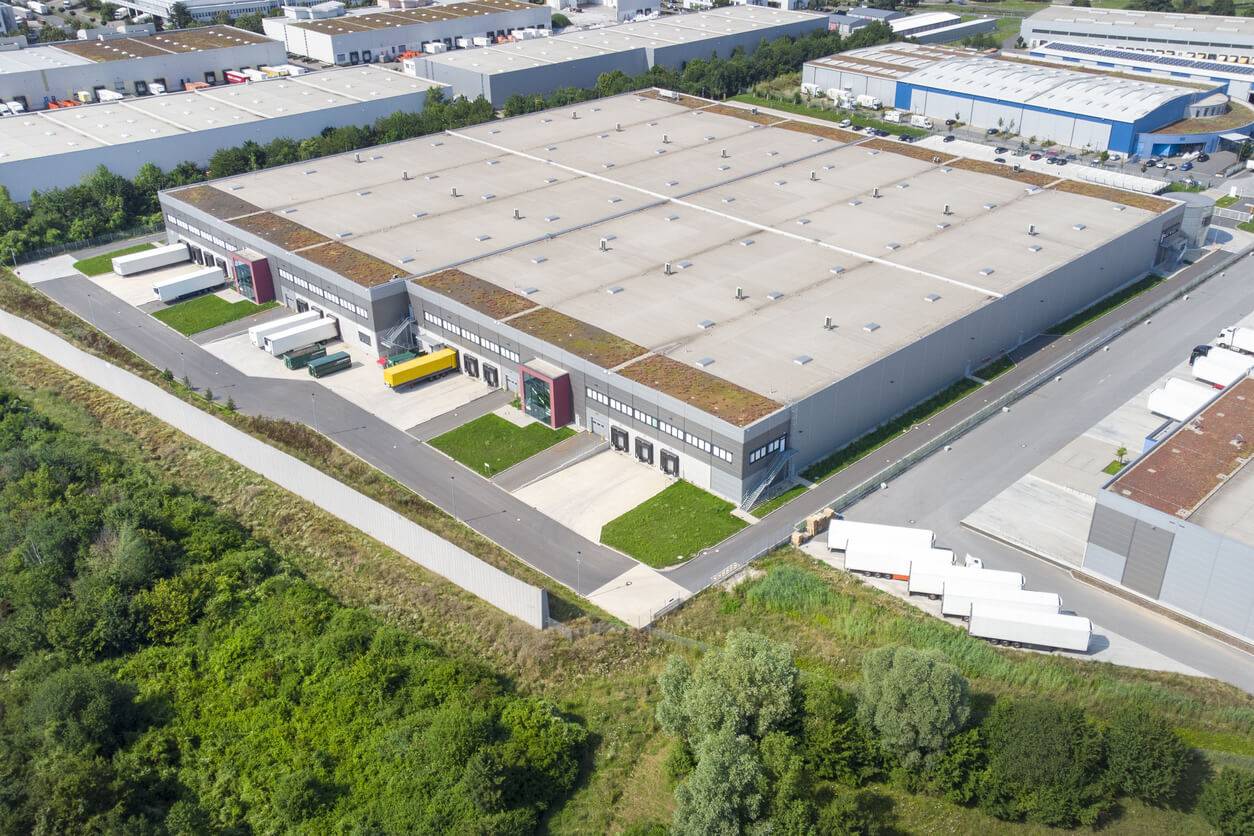
Warehouse Roofing
Warehouses sit high in the priority stack because wide decks, drainage runs, inventory exposure, and logistics schedules make roof planning expensive to get wrong.
Open details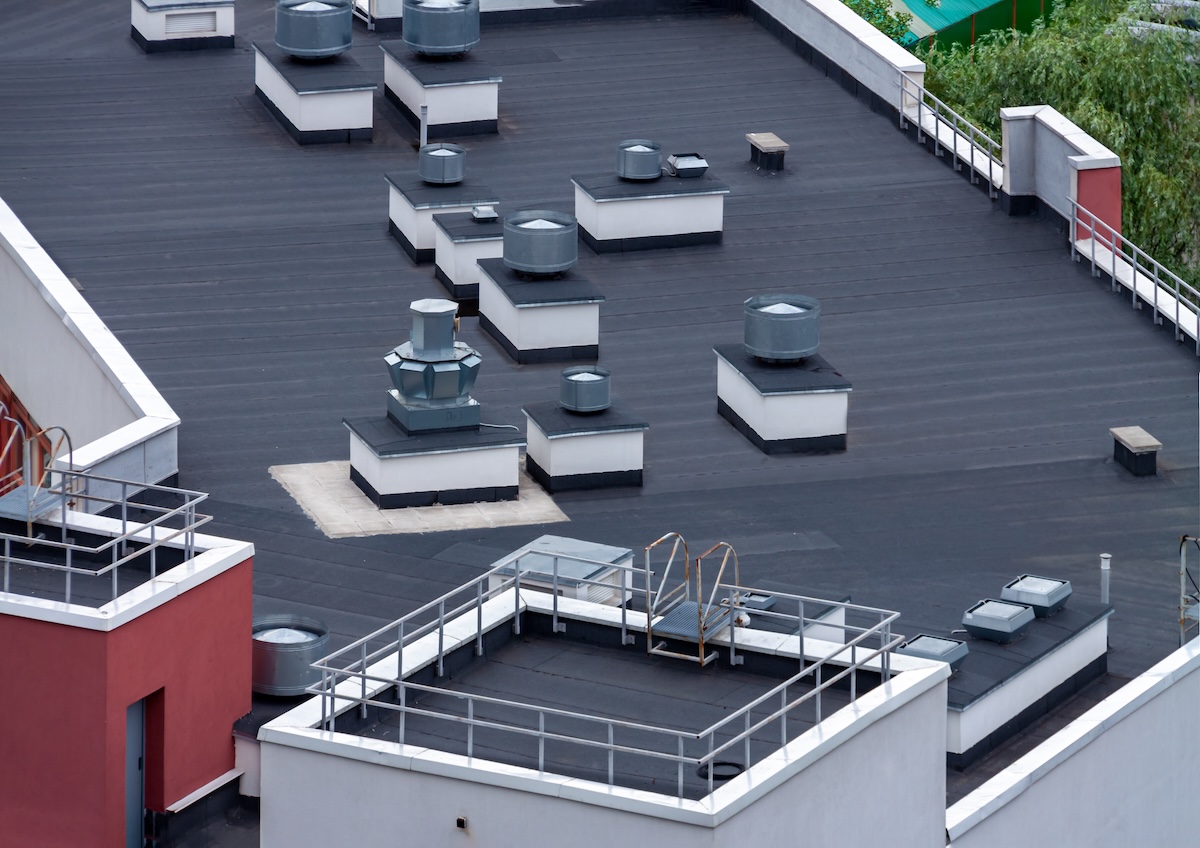
Multifamily Apartment Roofing
Occupied multifamily work needs careful phasing, tenant communication, leak prevention, and access planning before crews touch the roof.
Open details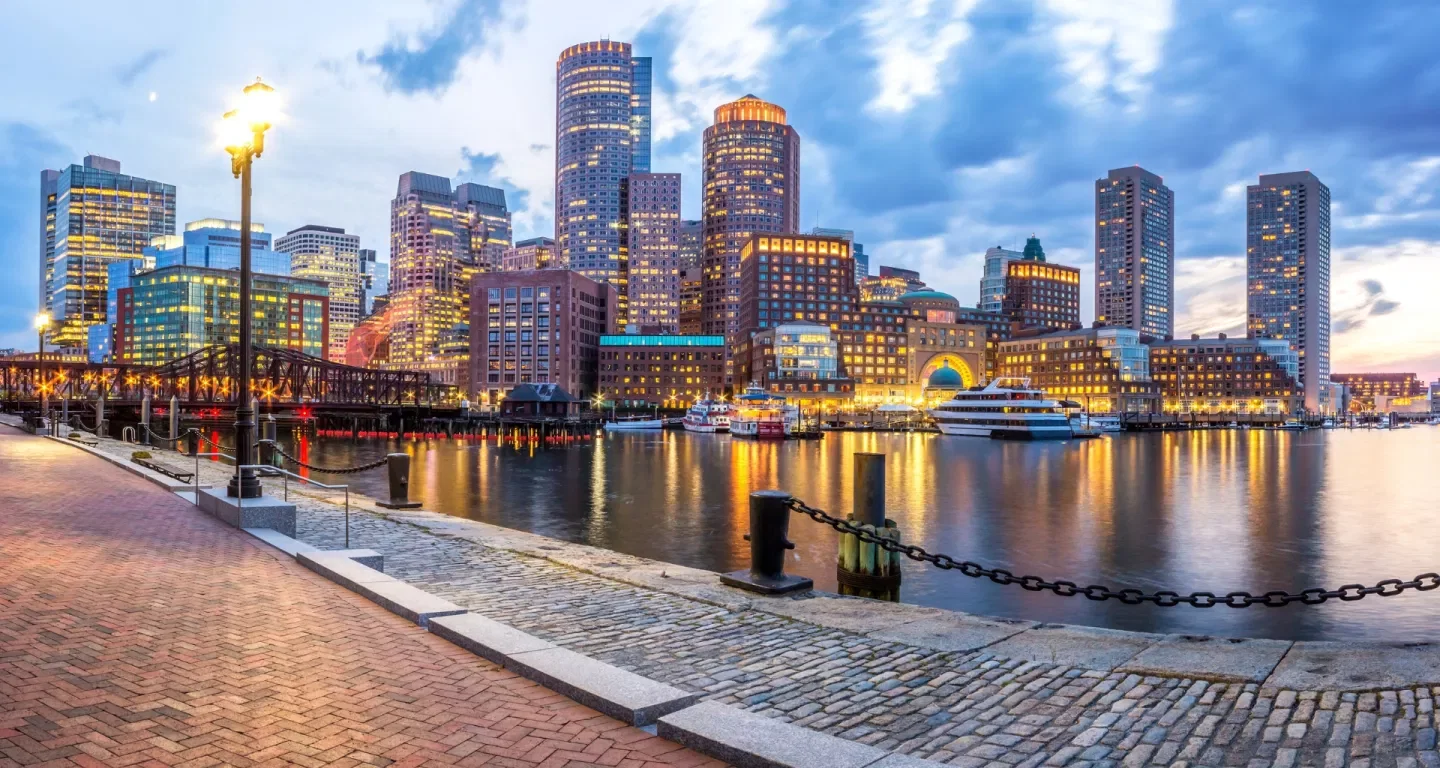
Boston, MA
Boston remains the main location path for downtown, institutional, retail, and industrial roofs facing Nor'easters, ice, and dense-site access limits.
Open details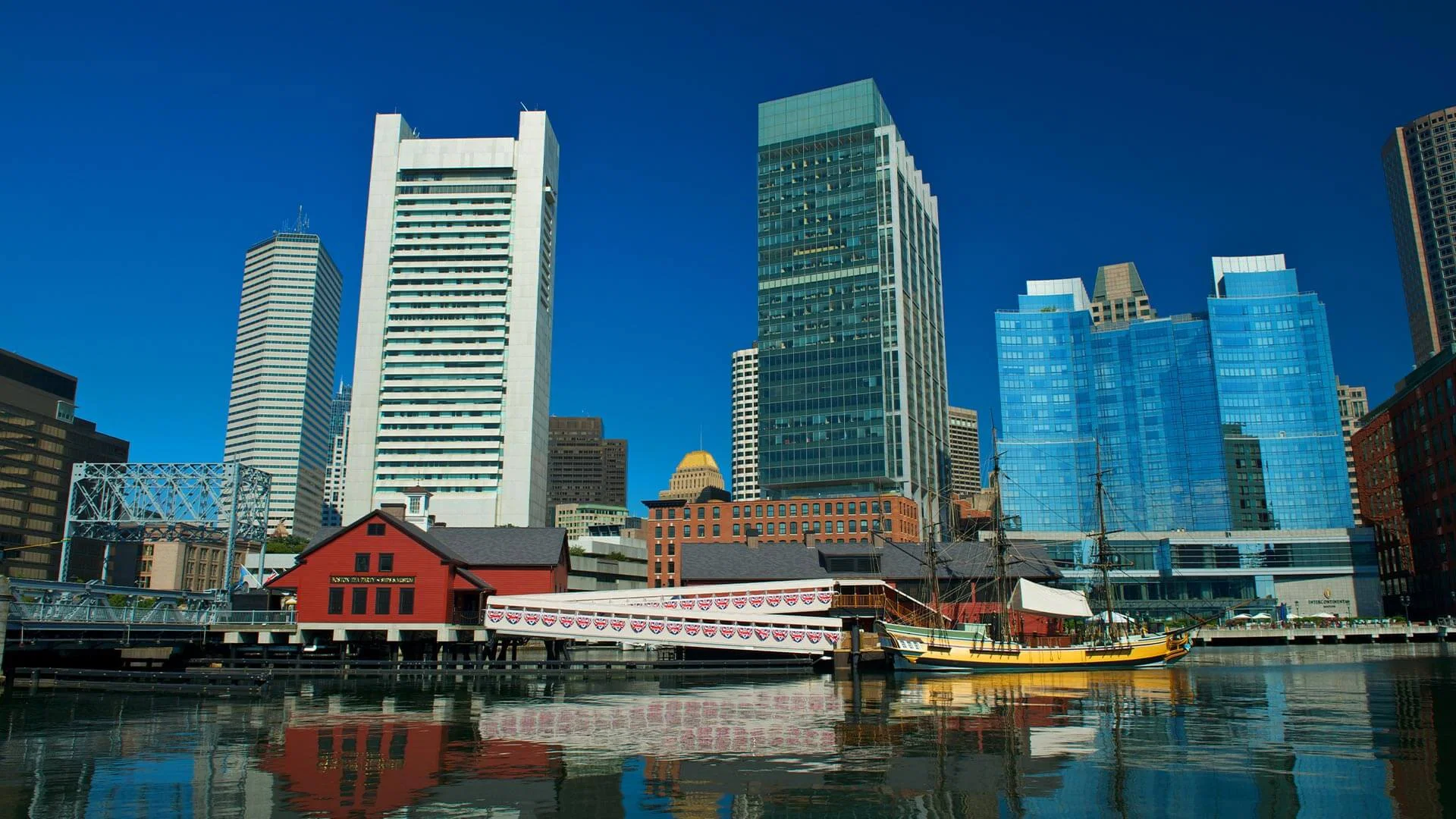
Seaport District, MA
Seaport roof planning earns a top local slot because harbor wind, salt exposure, high-value interiors, and tight staging windows raise the stakes.
Open details