

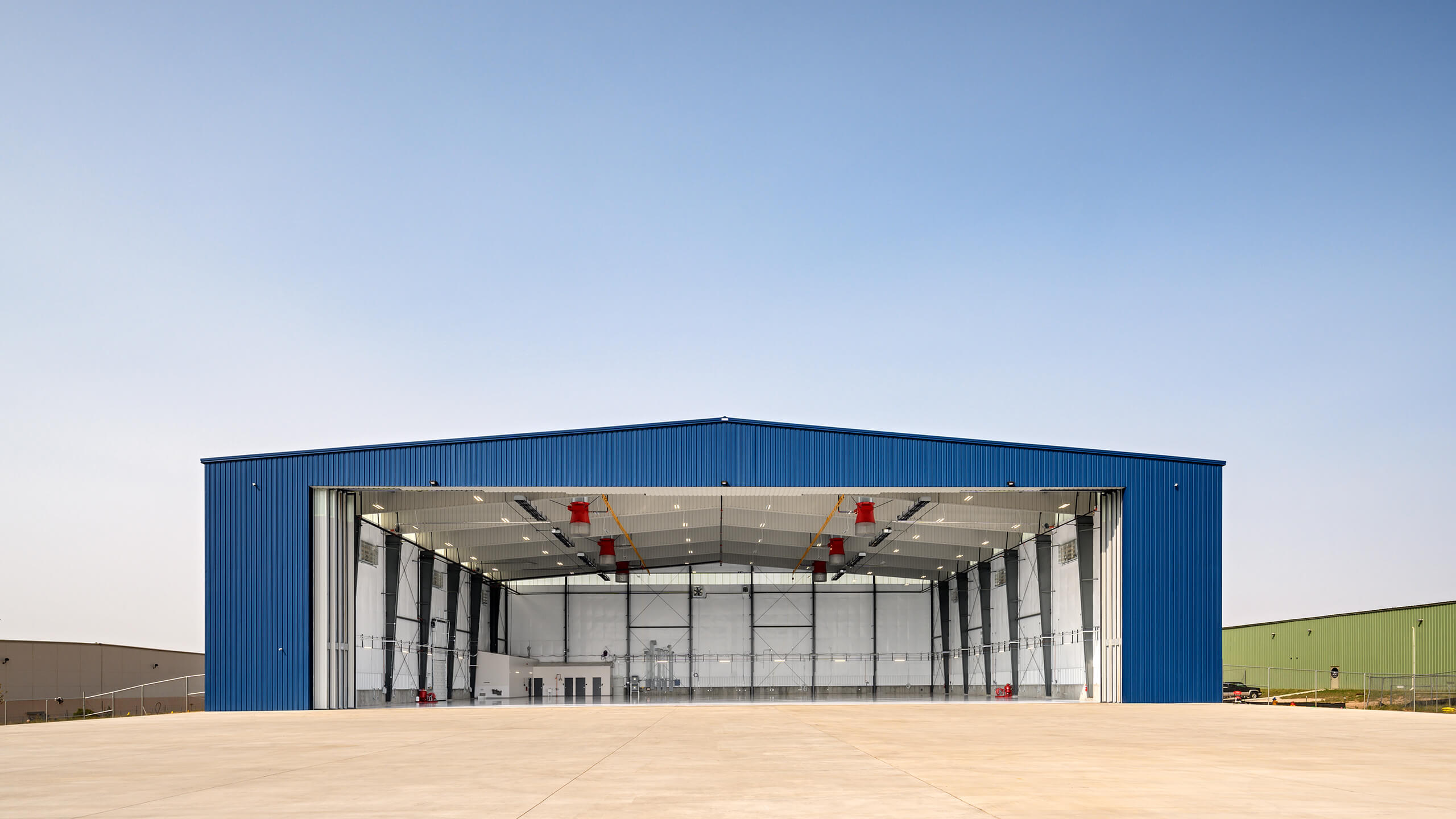
Aerospace & Defense Facility Roofing in Boston, MA

Aerospace & Defense Facility Roofing teams often need roof decisions that are practical, documented, and easy to communicate across owners, facility staff, and outside stakeholders.

Industries

Aerospace & Defense Facility Roofing roof planning built from the roof condition.

Aerospace & Defense Facility Roofing teams often need roof decisions that are practical, documented, and easy to communicate across owners, facility staff, and outside stakeholders.

The roof review looks at water entry, membrane life, safety, access, equipment zones, and the timing needed to keep the building operating.

Commercial Roofing Contractors of Boston keeps the roof plan focused on the condition in front of the team and the next step that fits the building.

Commercial roofing for aerospace and defense facilities in Boston, MA — Raytheon Technologies HQ, MIT Lincoln Laboratory, and Draper.

Major Aerospace and Defense Facilities in the Boston Area

  • RTX / Raytheon Technologies (Corporate HQ) (Prime Defense Contractor) — Raytheon Technologies' corporate headquarters in Waltham, with Raytheon Intelligence & Space and Raytheon Missiles & Defense major facilities throughout greater Boston
  • MIT Lincoln Laboratory (Federally Funded R&D Center) — DOD-sponsored FFRDC at MIT's Lexington campus, focused on radar, space surveillance, and air/missile defense systems
  • Draper Laboratory (Defense R&D) — Charles Stark Draper Lab in Cambridge, focused on GPS, inertial navigation, and strategic defense systems since the Apollo program

Greater Boston's defense research campus — Raytheon's Waltham/Andover complex, MIT Lincoln Lab, and Draper Lab — includes millions of square feet of laboratory, cleanroom, and specialized manufacturing space requiring high-performance roofing maintained to federal facility standards.

The roofing systems on aerospace and defense structures carry stakes beyond weather protection. A failure over an active manufacturing floor — whether that means a fighter jet assembly line, a missile guidance lab, or a satellite integration cleanroom — can trigger production shutdowns, contaminate precision components, or compromise facility certifications. The zero-tolerance standard these clients apply to their primary mission is the same standard we apply to the roof above it.

Our defense and aerospace roofing work includes planned replacement, emergency roof repair under time-critical operational constraints, and new construction roofing for facility expansions. We carry the insurance coverage, bonding capacity, and documented quality procedures that federal facility managers and prime contractor subcontract teams require. When a facility expansion schedule is tied to a DOD delivery milestone, "we'll get to it" is not a close-out answer — we staff to the schedule and document every phase.

Aerospace & Defense Roofing Questions

Yes. We work with facility security officers to complete the necessary base access credentialing for our crew members. Lead time for clearance varies by installation — we factor it into the project schedule upfront rather than discovering it during mobilization.

We provide full prevailing wage certified payroll (if applicable), material submittals for spec compliance, daily logs, third-party inspection coordination, LEED or sustainability documentation if required, and a final warranty package formatted for federal facility records systems.

We develop a phased work plan with the facility manager and base operations officer — sectioning the roof into work zones, maintaining dry-in protection on any open sections, and scheduling loud or disruptive work during approved windows. Our pre-construction checklist includes noise, vibration, dust, and chemical exposure considerations for every zone adjacent to active operations.

We work on the building envelope — roofs, walls, and flashings — which in most cases does not require classified access. For facilities where roof access itself requires a clearance, we identify that requirement early and work with the government contracting officer to plan accordingly.

TPO and PVC membrane systems are most common for new and re-roofing work due to their resistance to chemical splash and UV degradation. Standing seam metal is preferred on high-bay structures where long-term performance and minimal maintenance are prioritized. We always match the system to the specific exposure — a satellite integration cleanroom has different requirements than a motor pool.

  • Religious Organizations
  • Food Processing Cold Storage
  • Property Management Firms
  • Insurance Restoration
  • Manufacturing Operators
  • Healthcare Facility Roofing
  • KEE Single Ply Roofing
  • Snow Ice Flat Roof Repair
Roof access, water movement, membrane age, prior repairs, flashing details, drainage, penetrations, and operating constraints shape the first recommendation.
The next step follows the roof condition. Some buildings need targeted repair, some need maintenance, and some need replacement or coating review.
Useful details include the roof concern, photos if available, building access notes, tenant sensitivity, and any deadline tied to the property.