

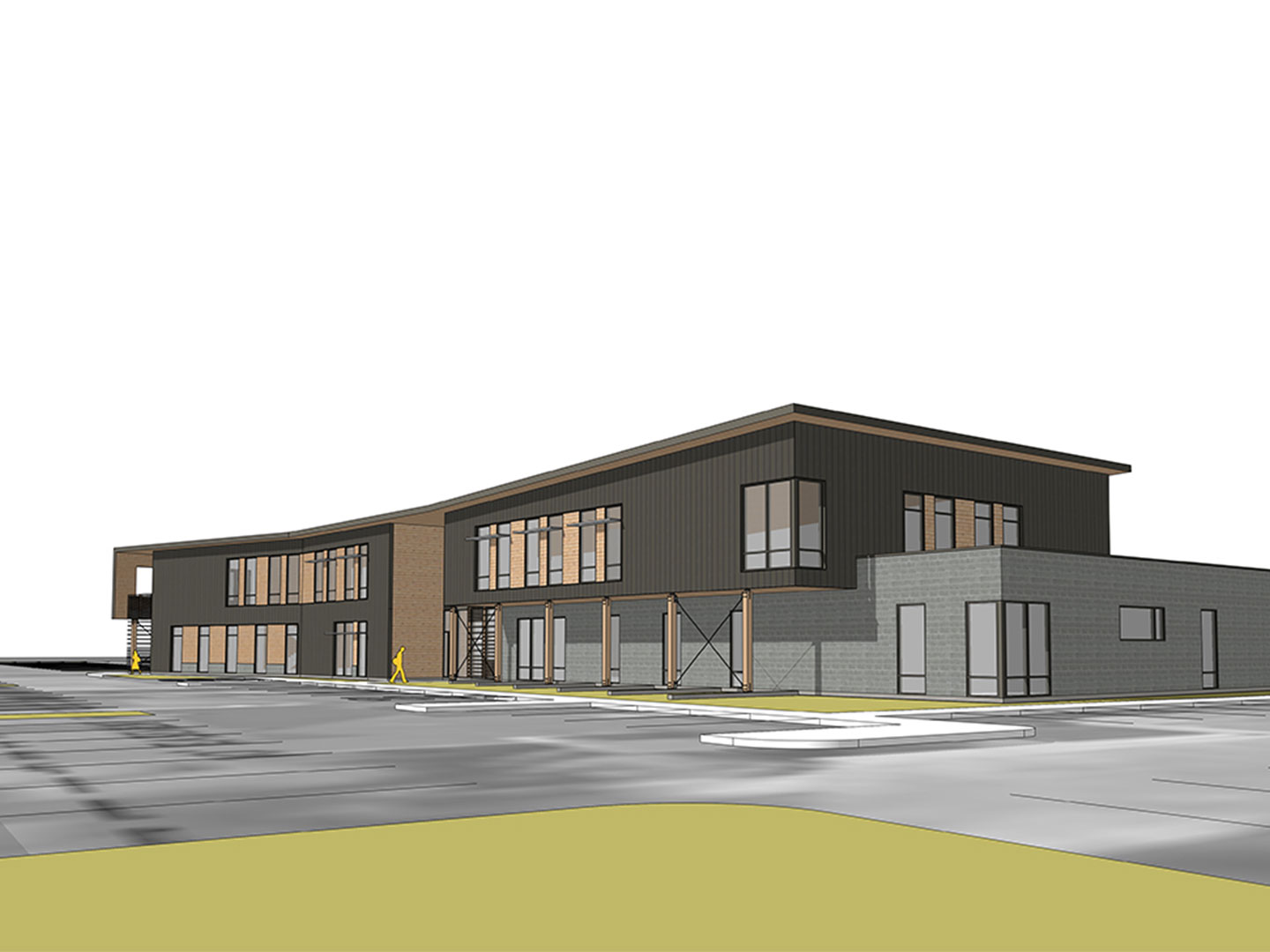
Healthcare Facility Roofing roof planning built from the roof condition.
The review connects leak history, membrane condition, flashing details, drains, penetrations, access, and schedule constraints into a practical roof path.
Commercial Roofing Contractors of Boston keeps the next step clear for Boston, MA commercial buildings that need repair, replacement, coating, or maintenance decisions.
Commercial roof scope, documentation, access planning, and weather-aware scheduling for acrylic roof coatings.
Boston is one of the world's foremost healthcare cities, home to Massachusetts General Hospital, Brigham and Women's Hospital, Boston Children's Hospital, Beth Israel Deaconess Medical Center, Tufts Medical Center, and a constellation of specialty hospitals and research institutes that together make the Longwood Medical Area one of the most densely developed healthcare real estate districts in North America. Beyond the Longwood corridor, the Boston metro is served by BMC, Cambridge Health Alliance, Lahey Hospital in Burlington, Mass General Brigham's regional network, and the rapidly expanding ambulatory footprint of all the major systems across eastern Massachusetts. Commercial roofing in this environment requires not merely competent installation skills but a deep understanding of healthcare facility regulatory requirements, institutional protocols, and the specific engineering demands of buildings that were often constructed decades ago and have undergone multiple renovation cycles since.
Boston's climate makes the roofing challenge at these world-class institutions genuinely formidable. The city receives approximately 47 inches of precipitation annually, but the distribution matters enormously—nor'easters can dump two or three feet of wet, heavy snow in a single event, and the freeze-thaw cycling that characterizes Boston winters subjects roofing systems to some of the most demanding thermal stress found anywhere in the country. The Longwood Medical Area, where massive academic medical center campuses have grown vertically over decades, includes roof sections at multiple elevations with complex drainage requirements and penetration fields that represent the accumulated history of multiple building generations. Ice damming at parapet edges and at the dense mechanical penetration clusters on hospital rooftops is a recurring problem that demands proactive attention every winter season.
Snow load management is a life-safety issue on Boston hospital rooftops. Massachusetts requires that engineers of record certify structural adequacy of buildings under the state building code's snow load requirements, and many of the older structures in the Longwood Medical Area have roof systems that were not designed to the loads that current code would require for new construction. We conduct load analysis in collaboration with structural engineers before specifying additional insulation layers that could contribute to a load increase, and our maintenance contracts for Boston healthcare facilities include post-blizzard condition assessments specifically addressing snow accumulation at parapets, at roof equipment, and at drainage areas where drifting can create concentrated loads.
The regulatory environment for healthcare construction in Massachusetts is among the most stringent in the country. The Massachusetts Department of Public Health and The Joint Commission both have jurisdiction over construction activity at licensed Boston healthcare facilities, and the infection control requirements that apply to reroofing at MGH, Brigham and Women's, and Boston Children's are developed by institutional infection control programs that are internationally recognized for their rigor. Our project managers undergo facility-specific orientation at each institution we serve, familiarizing themselves with the particular protocols, documentation requirements, and chain-of-command for construction oversight that each Boston academic medical center maintains. There is no one-size-fits-all approach to infection control across the Boston healthcare market—each institution has its own procedures, and we adapt to them without exception.
Boston Children's Hospital presents specific infection control requirements driven by the immune vulnerabilities of its pediatric oncology, transplant, and neonatal patient populations. Reroofing above any wing of the Children's campus requires the most rigorous containment level in the ICRA framework, with negative-pressure barriers, continuous HEPA filtration, air quality monitoring at nursing stations, and daily sign-off from the infection control team before each work session begins. We have developed a working relationship with the construction management and infection control teams at several Longwood Medical Area institutions that allows us to integrate seamlessly into their existing protocols for occupied facility construction work.
The rooftop environments at Boston's academic medical centers are among the most complex commercial rooftops in the country. MGH's main campus includes roofs at multiple elevations across buildings spanning eight decades of construction, with medical gas systems, laboratory exhaust for biosafety level 3 and 4 research, chilled water and steam piping, telecommunications infrastructure, and emergency generation systems all penetrating through roof assemblies. Each penetration field represents a documented history of previous waterproofing attempts, and our pre-project surveys identify every condition that must be addressed before a new membrane can perform reliably. As-built documentation delivered to hospital facilities management at project completion is formatted for integration with the enterprise asset management systems that MGH and Partners HealthCare use to track building envelope conditions across their extensive portfolio.
The medical office building market in Boston and the surrounding communities—Cambridge, Somerville, Newton, Brookline, Burlington, and beyond—includes a significant inventory of buildings constructed during the healthcare real estate development cycles of the 1980s and 1990s that are now approaching the end of their original roofing system service life. Boston's institutional real estate investors, who are active buyers in the suburban medical office market, require manufacturer-backed warranty programs that meet the standards of healthcare REIT underwriting guidelines. We are certified applicators for the major single-ply manufacturers serving the New England market and can deliver the NDL warranty products these buildings' owners require, with documentation formatted for lender due diligence submissions.
Assisted living and continuing care retirement communities in the Boston suburbs—particularly the corridor from Newton and Brookline through Wellesley and Needham to the south and Lexington and Burlington to the north—represent a significant and demanding segment of the healthcare roofing market. Massachusetts DHCS licensing requirements for these facilities, combined with the liability exposure that any water intrusion event creates in a residential care setting, make preventive roofing maintenance an institutional priority for the national and regional operators who manage the Boston-area senior living market. We maintain current familiarity with the physical plant standards applicable to Massachusetts-licensed residential care facilities and provide inspection documentation formatted for DHCS compliance records.
Preventive maintenance for Boston healthcare facilities must account for the seasonal hazards of a genuine northeast climate—the nor'easter season from November through April, the spring freeze-thaw recovery period, and the late summer and fall period when hurricane remnants can push sustained heavy rain across eastern Massachusetts. Our maintenance programs for Boston-area healthcare clients include pre-winter preparation inspections in October, post-blizzard condition assessments after any snow event exceeding six inches, spring opening inspections after the freeze-thaw season concludes, and 24-hour emergency response for active leaks at any contracted healthcare facility. For the Longwood Medical Area institutions, we maintain response teams capable of deploying within the two-hour window that these facilities require from any contracted building services provider.