

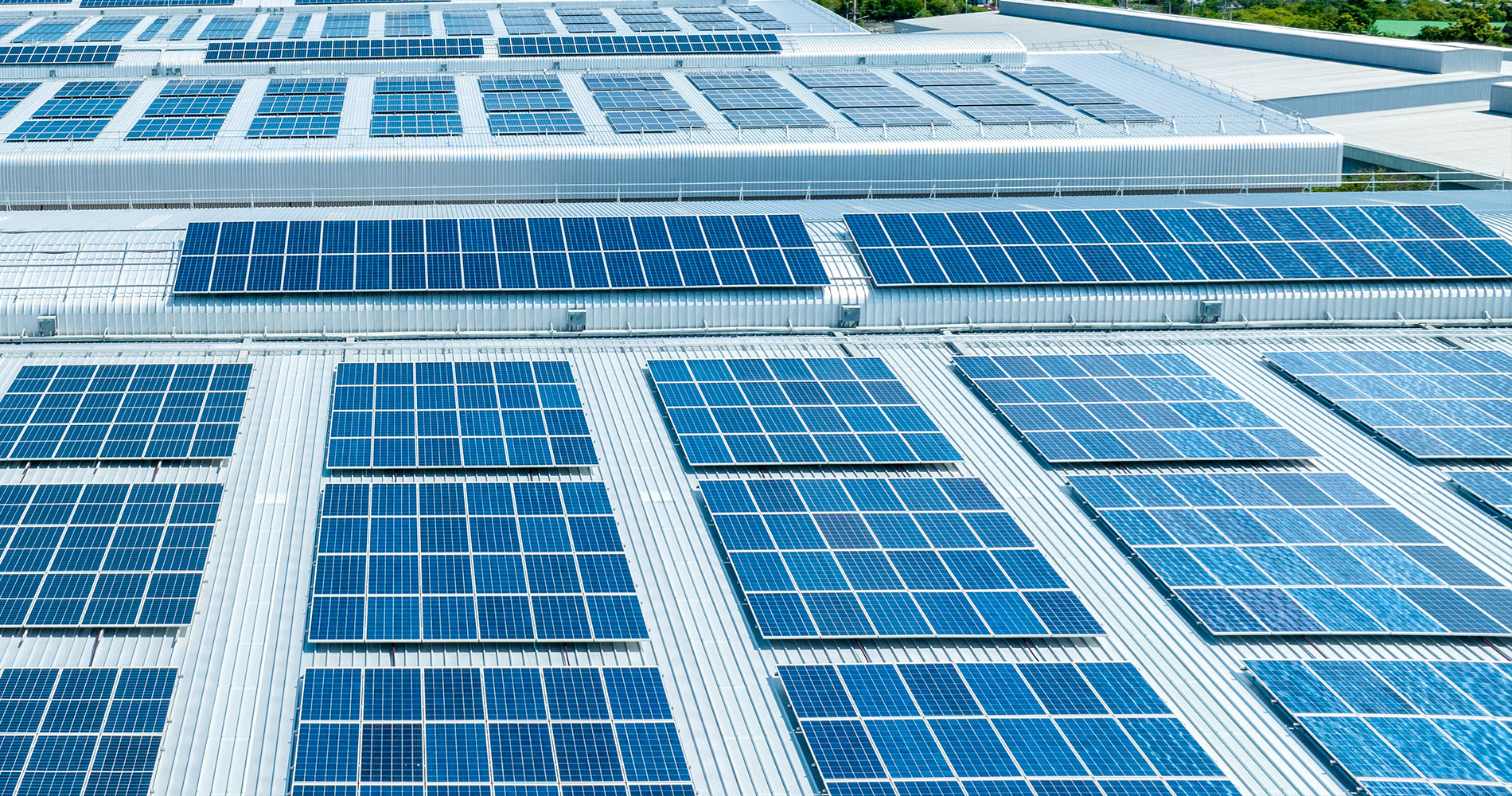
REIT Roofing Services roof planning built from the roof condition.
The roof review looks at water entry, membrane life, safety, access, equipment zones, and the timing needed to keep the building operating.
Commercial Roofing Contractors of Boston keeps the roof plan focused on the condition in front of the team and the next step that fits the building.
Commercial roof scope, documentation, access planning, and weather-aware scheduling for commercial real estate & reits.
Boston Properties is headquartered in Boston and holds its deepest portfolio concentration in the city's premier office and life science submarkets — the Back Bay, Cambridge, and the Seaport Innovation District — where assets like the Prudential Center and Salesforce Tower define the institutional standard for East Coast commercial real estate. Asset managers overseeing Boston Properties' Greater Boston portfolio manage roof systems on buildings where tenant quality includes global technology companies, life sciences organizations, and financial institutions whose facility standards are the benchmark against which REIT property management is measured.
Managing roofing across a Boston office and life science portfolio requires a vendor program calibrated to the specific complexity of urban multistory commercial buildings in a demanding northeastern climate. High-rise office towers and converted life science buildings in Cambridge and the Seaport carry roof systems that integrate multiple membrane sections, mechanical equipment platforms, green roof elements in some cases, and drainage infrastructure that must perform through Boston's full seasonal range — from summer humidity to winter blizzard conditions. A master service agreement with one qualified contractor experienced in Boston urban commercial roofing gives asset managers consistent inspection data, emergency response reliability, and CAPEX inputs that reflect the actual cost of maintaining these properties to institutional standards.
The NOI impact of roof deferred maintenance on Boston Class A commercial properties is amplified by the replacement cost of lost occupancy in one of the country's tightest commercial real estate markets. A Cambridge life science building generating $12 million annually in NOI operates on lease terms where tenant quality and building performance are inseparable — pharmaceutical and biotech tenants whose research operations depend on controlled building environments have zero tolerance for roof failures that affect temperature, humidity, or contamination control. The NOI risk from a roof failure on a life science building extends well beyond emergency repair costs to include tenant operational claims, lease renegotiation exposure, and the reputational signal to the broader Kendall Square tenant market that affects future leasing velocity.
Annual CAPEX planning for Boston Properties' Greater Boston assets feeds a capital planning process that institutional investors scrutinize at the highest level of rigor. At Boston construction costs — among the highest in the country — a full roof replacement on a 300,000-square-foot life science or office building represents a capital commitment that requires documented support in the reserve model years before execution. Asset managers who maintain current inspection-backed condition ratings, membrane type documentation, and remaining useful life estimates for every roof section in the portfolio demonstrate capital planning discipline that supports the investment-grade credit story Boston Properties markets to its institutional investor base.
A property manager overseeing twelve Greater Boston commercial assets — office towers in the Back Bay, life science buildings in Cambridge, and suburban office parks along Route 128 — is already navigating among the most complex operational environments in commercial real estate: the highest construction costs in the country, union labor requirements, urban permitting complexity, and life science tenant facility standards that exceed standard commercial requirements. Adding twelve separate roofing vendor relationships to that workload is not operationally viable. A single preferred vendor, vetted for urban high-rise commercial experience and operating under a master service agreement, provides the operational efficiency and data consistency that Boston's portfolio management complexity demands.
REIT accounting for roofing on Boston Properties assets follows CapEx-versus-OpEx classification with the external audit rigor that investment-grade REIT financial reporting demands. Full roof replacements are capitalized and depreciated. Maintenance and emergency repairs are expensed. Boston's office and life science lease structures typically involve gross or modified gross leases where the REIT carries building systems costs directly — making roof condition management a first-dollar financial exposure that the REIT's operating expense budget must accommodate. Lease covenant provisions in institutional office and life science leases frequently include building systems performance standards that create additional contractual incentive for documented roof maintenance.
Boston's position as one of the three or four deepest institutional commercial real estate markets in the country means acquisition activity is constant but highly competitive. REITs pursuing value-add office and life science assets in the Greater Boston area compete against local operators, national institutional buyers, and foreign capital — at prices that leave no margin for unpriced capital risk. Pre-closing PCAs with detailed roofing assessments are standard practice in this market, and contractors who can deliver credible institutional-quality reports within closing timelines have established competitive positions that translate into repeat engagement across active deal pipelines.
Property condition assessments for Boston acquisitions require a roofing contractor with urban high-rise experience and the ability to deliver within the compressed timelines of competitive institutional closings. For Boston office and life science properties, the PCA scope should address each roof section's membrane condition, all mechanical equipment platforms and curbs, green roof or rooftop amenity conditions if applicable, interior drain system adequacy, and parapet wall conditions. Cost projections must reflect Boston contractor market pricing benchmarks and be formatted for direct input into sophisticated acquisition underwriting models.
Boston's climate presents some of the most demanding roofing conditions on the East Coast. The city averages over 48 inches of annual snowfall and experiences significant freeze-thaw cycling from November through April — conditions that stress flat commercial roof systems at the highest frequency of any major eastern market. Nor'easters can deliver 24-hour snowfall totals that create roof load concerns on flat commercial buildings. Summer thunderstorms with high winds and heavy rainfall test drainage adequacy on flat and low-slope systems. A roofing contractor with demonstrated Boston market experience — who understands how to specify and maintain membrane systems that perform through the full Northeast seasonal cycle — is the qualified partner that institutional asset managers overseeing high-value Boston portfolios require.