

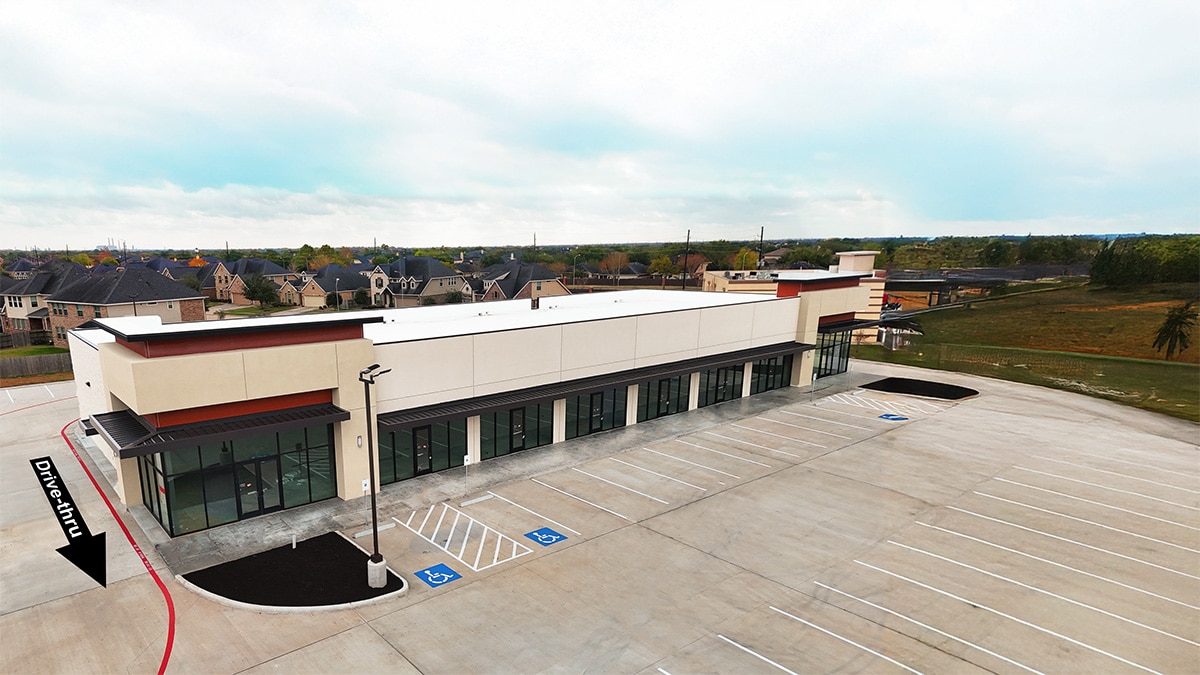
Retail and Shopping Center Roofing roof planning built from the roof condition.
The review connects leak history, membrane condition, flashing details, drains, penetrations, access, and schedule constraints into a practical roof path.
Commercial Roofing Contractors of Boston keeps the next step clear for Boston, MA commercial buildings that need repair, replacement, coating, or maintenance decisions.
Commercial roof scope, documentation, access planning, and weather-aware scheduling for acrylic roof coatings.
Boston's retail real estate landscape is defined by a mix of historic urban storefronts, dense neighborhood strip configurations, and the suburban power centers that ring the metro from Braintree to Saugus. Property managers juggling tenants in legacy masonry buildings along Washington Street or managing anchor-tenanted plazas in Dedham and Natick face roofing challenges shaped by one of the most punishing climates on the East Coast. Heavy snowfall, ice dam formation, freeze-thaw cycles that run from November well into March, and the occasional nor'easter with 60-mph gusts make Massachusetts one of the most demanding environments for flat commercial roofing anywhere in the country.
Snow load management is not optional on Greater Boston retail roofs. The building codes governing Suffolk, Middlesex, and Norfolk counties reflect historical roof collapses that prompted stricter standards, and property owners who let multi-day accumulation sit on older flat roofs without monitoring are accepting liability they may not fully appreciate. Many property management firms overseeing shopping centers in the metro now include a snow removal protocol in their annual vendor agreements, specifying trigger depths and contractor response times to keep loads within design parameters.
Ice dam formation is a particular problem on retail roofs with minimal slope and inadequate insulation. When interior heat migrates through the roof assembly and melts snow that then refreezes at the cold parapet or overhang edge, the resulting ice dam forces meltwater under membrane laps and into the structure. Upgrading insulation values and ensuring air sealing at all penetrations addresses the root cause rather than repeatedly dealing with the downstream water damage. Several older strip centers in communities like Roslindale and Hyde Park have undergone full roof system replacements specifically to solve chronic ice dam problems.
TPO and PVC single-ply membranes have displaced older modified bitumen systems on most new commercial retail construction in eastern Massachusetts. Both products deliver the reflective surface that helps offset cooling costs during Boston's humid summers, and both carry installation warranties when applied by certified contractors. PVC is often preferred on retail roofs with significant grease exhaust exposure — particularly strip centers housing restaurant tenants — because PVC resists the membrane degradation that grease vapors can accelerate in TPO over time.
HVAC penetrations on Boston retail roofs tend to be dense and irregularly maintained. A typical neighborhood shopping center in Quincy or Watertown might have rooftop units serviced by three or four different HVAC vendors over a decade, each leaving behind slightly different curb flashing conditions. Coordinating a full penetration inspection and remediation as part of any re-roofing project ensures that new membrane work doesn't simply transfer old leak points into a new system. Roofing and mechanical contractors working in parallel, with clear coordination on curb heights and flashing specs, prevent the finger-pointing that delays punch-list sign-off.
Tenant disruption management in Boston retail properties requires sensitivity to the rhythm of local commerce. Markets like the South Shore Plaza area in Braintree or the Arsenal Yards development in Watertown draw consistent foot traffic that tenants budget around. Scheduling loud work phases like tear-off and drain core-cutting during low-traffic periods — weekday mornings before 10 a.m. in most retail contexts — limits the impact on sales. Property managers at multi-tenant centers who notify tenants in writing at least two weeks in advance of start dates maintain far better relationships through the project than those who rely on verbal notice.
The Massachusetts retail commercial real estate market carries some of the highest construction costs in the nation, and roofing is no exception. Labor rates in the Greater Boston area, combined with stringent permit and inspection requirements from local building departments, mean that a full roof replacement on a 40,000-square-foot shopping center is a significant capital event. Property owners who treat their roof as an asset rather than a recurring expense — building a documented reserve fund and scheduling maintenance to extend useful life — consistently outperform those who defer until failure.
CAM reconciliations in Boston-area triple-net retail leases are scrutinized closely by sophisticated tenants and their attorneys. Roof maintenance and replacement costs that appear in CAM charges must be properly allocated under the lease structure, and many leases cap tenant CAM exposure or exclude capital improvements. Working with a roofing contractor who provides itemized invoicing that distinguishes between routine maintenance, repairs, and capital replacement helps property managers allocate costs correctly and defend those allocations if a tenant audits the CAM reconciliation.
Retail property owners considering asset sales in the Boston metro should be aware that institutional buyers and REITs acquiring anchored strip centers and community centers in the region conduct thorough roof due diligence. A Property Condition Assessment commissioned before listing will identify any deferred roof maintenance, and addressing those items proactively positions the asset more favorably with buyers who are already pricing in Massachusetts labor costs. Roof systems that meet current code and carry active manufacturer warranties are a meaningful differentiator in a market where buyers have choices.