

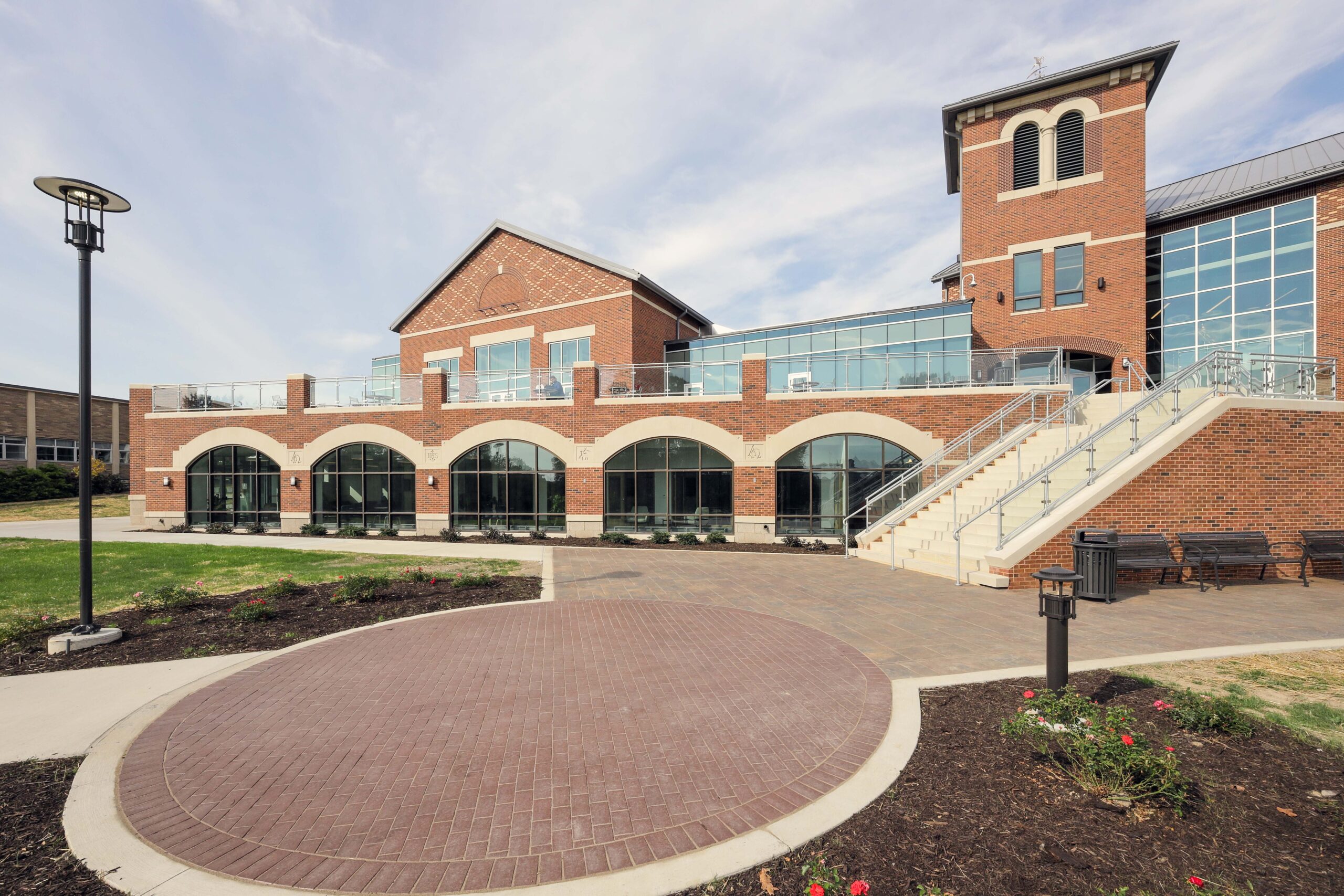
University and College Campus Roofing roof planning built from the roof condition.
The review connects leak history, membrane condition, flashing details, drains, penetrations, access, and schedule constraints into a practical roof path.
Commercial Roofing Contractors of Boston keeps the next step clear for Boston, MA commercial buildings that need repair, replacement, coating, or maintenance decisions.
Commercial roof scope, documentation, access planning, and weather-aware scheduling for acrylic roof coatings.
Boston University's urban campus stretching along Commonwealth Avenue from Kenmore Square to the BU Bridge is one of the most densely built university environments in the country, and it presents commercial roofing challenges that are qualitatively different from suburban or rural campus environments. Dozens of buildings — academic, residential, medical, and administrative — occupy a narrow strip of land between Commonwealth Avenue and the Charles River, with minimal setbacks, constrained crane access, and pedestrian movement twenty-four hours a day. Contractors who have not worked in dense urban campus environments consistently underestimate the logistics cost and time required to execute work safely and efficiently on a campus like BU.
Semester break scheduling at Boston University is more compressed than at most universities because BU operates year-round academic and research programs, including summer sessions and continuing education programs that reduce the availability of truly low-occupancy windows. The primary roofing window is the six-week period between May commencement and the start of summer session. Secondary opportunities arise during the winter intersession. Contractors must identify, for each building, which floors or wings are occupied during planned work periods and must design noise and vibration management plans that protect academic and research programs from disruption during the project.
Multi-building campus programs at BU are typically managed through the university's Facilities Management and Planning division under a master agreement structure that allows individual project call-offs within an annually budgeted program. This structure requires contractors to maintain program-level documentation — condition tracking, warranty records, and capital planning data — across all buildings in the program rather than treating each project as a standalone engagement. Contractors who invest in digital program management platforms that integrate with BU's building information modeling and asset management systems are significantly more competitive in these program solicitations.
Historic buildings on the Boston University campus include structures that are listed on the National Register of Historic Places, contributing to the Kenmore Square area's historic significance. Re-roofing these structures requires compliance with the Secretary of the Interior's Standards for the Treatment of Historic Properties and review by the Massachusetts Historical Commission. Parapet work, edge metal profiles, and any modifications to existing skylight or chimney assemblies on historic buildings must be approved through this process, which adds four to eight weeks to the pre-construction schedule for affected buildings.
LEED and sustainability requirements at Boston University reflect the institution's Climate Action Plan commitments, which include carbon neutrality goals that affect capital project specifications across all building types. The university's sustainability office issues roofing specification guidelines that mandate minimum cool roof SRI values, minimum insulation R-values that exceed code, and preference for membrane systems with documented environmental product declarations. Contractors must provide EPD documentation for major material components as a condition of contract at BU.
Research building roofing at BU is complicated by the concentration of biosafety and chemical laboratory facilities in the Medical Campus area of the South End, which includes BU's National Emerging Infectious Diseases Laboratories and multiple biosafety level-4 research programs. Roofing work on these facilities requires coordination with BU's Institutional Biosafety Committee and compliance with CDC and NIH biosafety guidelines for maintenance activities at high-containment research facilities. Contractors must obtain specific program orientation and must follow prescribed access and decontamination protocols during all work on these buildings.
Complex institutional procurement at BU follows Massachusetts public procurement law for a university with public charter, requiring compliance with state-mandated competitive solicitation processes, prevailing wage schedules, and contractor certification requirements. BU's facilities contracting team is sophisticated and experienced; contractors who arrive at pre-bid meetings without detailed knowledge of the university's standard specifications and contract terms are at a disadvantage in competitive selections. Building relationships with BU's facilities management team through performance on smaller projects is the most reliable path to consideration for major program contracts.
Urban logistics management for BU roofing projects requires detailed planning for material deliveries, waste removal, and equipment staging in a constrained environment. Commonwealth Avenue is a major MBTA Green Line corridor with restricted truck access during morning peak hours. Adjacent residential neighborhoods have noise ordinances that restrict early morning and weekend construction activity. BU has established contractor logistics requirements that specify approved delivery routes, waste hauling schedules, and street closure permit procedures; contractors must review and comply with these requirements before mobilization.
Waterproofing at BU's Charles River-adjacent buildings requires special attention to hydrostatic pressure and flood risk, particularly for basement and below-grade components that are part of the building envelope. However, roofing contractors working on the upper envelope must also account for the wind exposure that the river-front location creates: buildings facing the Charles River experience consistently higher wind speeds and wind-driven rain loads than comparable buildings in more sheltered urban locations, and membrane attachment systems at these buildings should be engineered for elevated wind uplift rather than standard coastal Massachusetts values.