

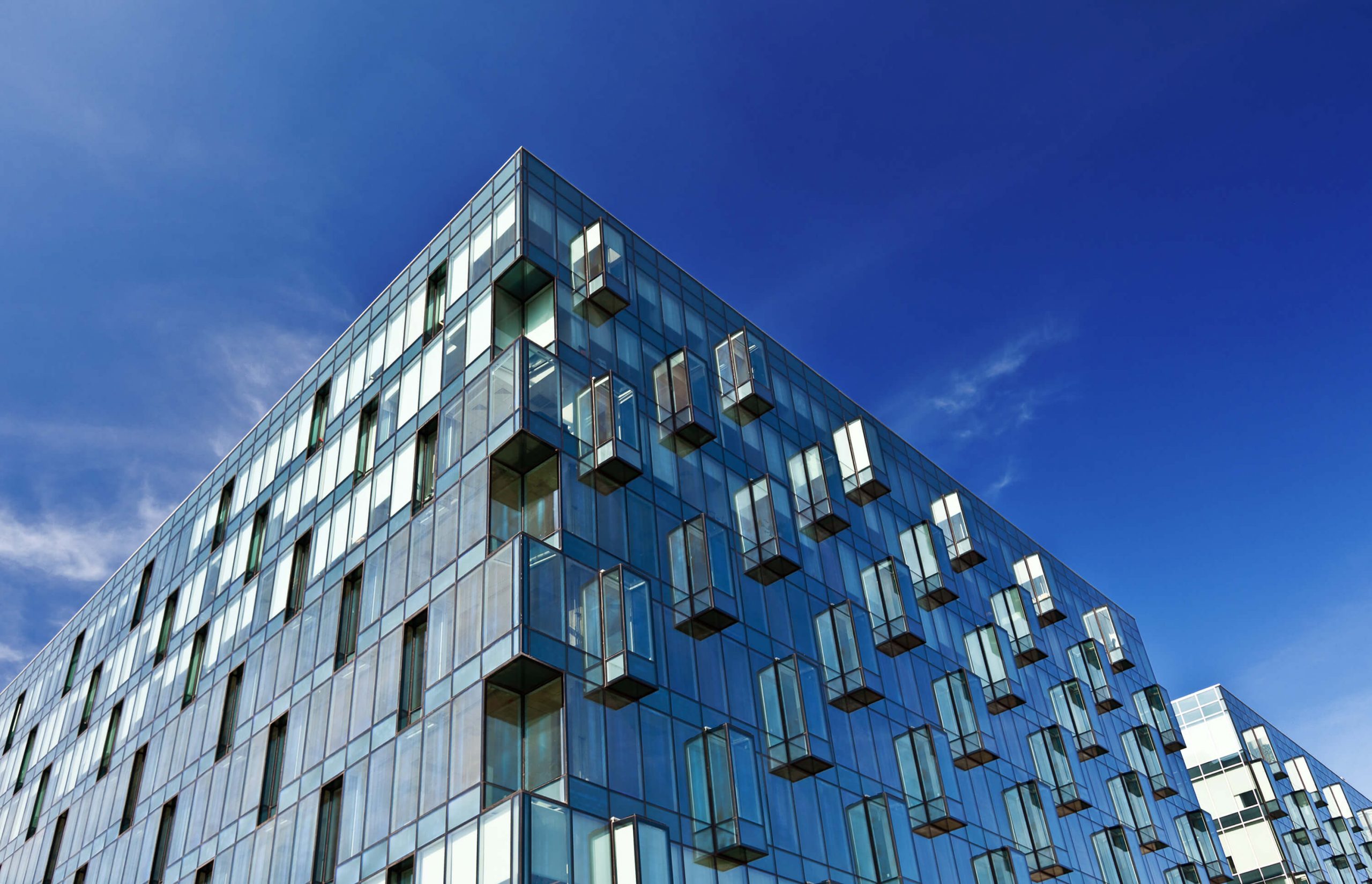
Pharmaceutical & Laboratory Roofing roof planning built from the roof condition.
The roof path may involve leak repair, preventive maintenance, coating review, recover planning, or full replacement depending on the age and condition of the assembly.
Commercial Roofing Contractors of Boston helps organize those choices into clear next steps for commercial buildings in Boston, MA.
Pharmaceutical and Laboratory Roofing in Boston
Few cities concentrate as much lab and pharmaceutical square footage as Boston and Cambridge. Kendall Square is widely described as the densest biotech cluster in the world, and the lab footprint keeps spreading — into the Seaport, down the I-93 corridor, and out along Route 128 through Waltham, Lexington, and Bedford. We roof these buildings knowing that what sits beneath the deck is rarely ordinary office space. It is cleanroom suites, vivariums, GMP production, analytical instruments, and cold storage that cannot tolerate a single drop of water from above.
That intolerance reshapes the entire job. On a typical commercial roof, a small leak is an inconvenience. Over a cleanroom or a bank of mass spectrometers, the same leak can mean a contamination event, quarantined product, ruined samples, and a regulatory notification that costs more than the roof itself. Our planning on Kendall Square and 128-corridor lab buildings starts from the assumption that there is no acceptable interior water intrusion, and we sequence the work so that no area is ever left exposed over sensitive space.
Cleanroom HVAC Curbs and Pressure Differentials
Lab roofs are some of the most heavily penetrated decks in commercial construction. Dedicated air handlers maintain ISO-classified cleanroom pressure, chemical fume exhaust carries corrosive vapor, biosafety stacks run through HEPA filtration, and conduit for building automation threads across the whole field. Cleanroom suites depend on tightly held pressure differentials, and roofing work near those supply and exhaust connections can disturb the balance if it is not coordinated.
- We schedule penetration and curb flashing near critical HVAC around the facility's planned maintenance windows so pressure-sensitive spaces are not affected mid-operation.
- Each curb, duct, and conduit penetration is treated as an individual flashing item, photographed and documented before new membrane goes over it.
- We coordinate directly with the building's MEP and facilities team so any temporary effect on air balance is anticipated and verified back to spec after the work.
- Debris control above air-distribution paths is part of the plan, not an afterthought, so nothing migrates into the envelope serving a clean space.
Exhaust-Stack Chemistry and Membrane Selection
The exhaust streams coming off a lab roof are a membrane problem in their own right. Solvent, acid, and other corrosive vapors condense on stacks and drip onto the surrounding membrane, creating localized chemical attack that a standard warranty will not cover. Before we specify membrane in the zone around lab exhaust, we work with the facility's MEP group to understand what is actually venting from each stack. Around aggressive exhaust we favor a chemically resistant PVC membrane and confirm compatibility against the manufacturer's chemical-resistance data rather than assuming a standard product will hold up.
Access, Credentialing, and Security
Pharmaceutical and biotech campuses do not let crews walk on unannounced. Buildings with active drug manufacturing or controlled substances carry FDA facility standards, DEA security requirements, and sometimes select-agent protocols that govern who gets on the roof, when, and with what documentation. A crew that arrives without pre-cleared credentials simply wastes a mobilization day. We initiate credentialing and background-check coordination during pre-construction, typically a few weeks ahead, so the full crew is cleared before the start date and any escort or restricted-area rules are written into the coordination plan.
University and Multi-Tenant Research Buildings
The Boston market also has a deep bench of academic and multi-tenant research space — the Longwood Medical Area, the universities along the Charles, and speculative lab buildings carved into individual suites. These add their own wrinkle: separate HVAC systems and biosafety stacks serving different research programs under one roof, plus oversight from Institutional Biosafety Committees and Environmental Health and Safety offices. We are comfortable coordinating roofing work through those review structures so the project clears institutional requirements as well as the building's.
Vivariums, Cold Storage, and Zero-Tolerance Zones
Many Boston lab buildings carry interior spaces where a leak is not just costly but disqualifying. Vivariums and animal-care suites run on tightly controlled temperature, humidity, and air exchange, and a water intrusion can compromise both the facility's accreditation and the research itself. Walk-in cold rooms, ultra-low freezers, and sample vaults hold material that may be irreplaceable and represent years of work. We identify these zero-tolerance zones with the facility team during pre-construction and sequence the roof so those areas are never the exposed section overnight, with temporary protection staged and ready before any membrane over them is disturbed. The goal is simple: no area over a vivarium, freezer, or cleanroom is ever left in a vulnerable state when the crew leaves the deck.
New England Weather and the Lab Roof
The local climate adds pressure that a lab roof in a milder region never faces. Boston winters drive hard freeze-thaw cycling, ice damming at drains and scuppers, and snow loads that have to clear without ponding meltwater over sensitive space. Nor'easters bring wind uplift that tests every fastener and seam, and the swing from humid summers to dry winters drives moisture in both directions through the assembly. For buildings with dense rooftop mechanical, snow management around curbs and stacks matters as much as the membrane itself, because drifting against equipment and blocked drains are how winter leaks start. We design drainage, uplift resistance, and snow-clearing access with the New England calendar in mind, not a generic one.
Regulated facilities expect a paper trail that matches their own quality systems. Our closeout package is built to drop into that process: contractor qualification records, the site safety plan, reviewed material submittals, daily work reports, manufacturer installation documentation, system certifications where required, and warranty registration. We submit through the facility's document-control workflow so the closeout satisfies both day-to-day operations and the quality-audit expectations of pharma and biotech facility teams.
Questions From Lab and Pharma Facility Managers
How do you protect cleanroom pressure during roof work?
We coordinate any flashing work near cleanroom HVAC with your MEP team, schedule it into planned maintenance windows, and confirm pressure differentials recover to spec afterward. We also control debris so nothing enters the air paths above a clean space.
What membrane survives corrosive lab exhaust?
Around solvent or acid exhaust stacks we specify a chemically resistant PVC membrane and verify it against the manufacturer's chemical-resistance guide for your specific exhaust chemistry. Standard single-ply formulated for ordinary roofs is not appropriate next to those stacks.
How far ahead do you need to handle access and credentials?
We start credentialing during pre-construction, usually a few weeks before mobilization, so the whole crew is cleared before the start date and any escort or restricted-area requirements are already documented.
Can you meet our quality-system documentation requirements?
Yes. We provide a full closeout package and submit it through your document-control process, including qualification records, submittals, daily reports, system certifications, and warranty registration.