

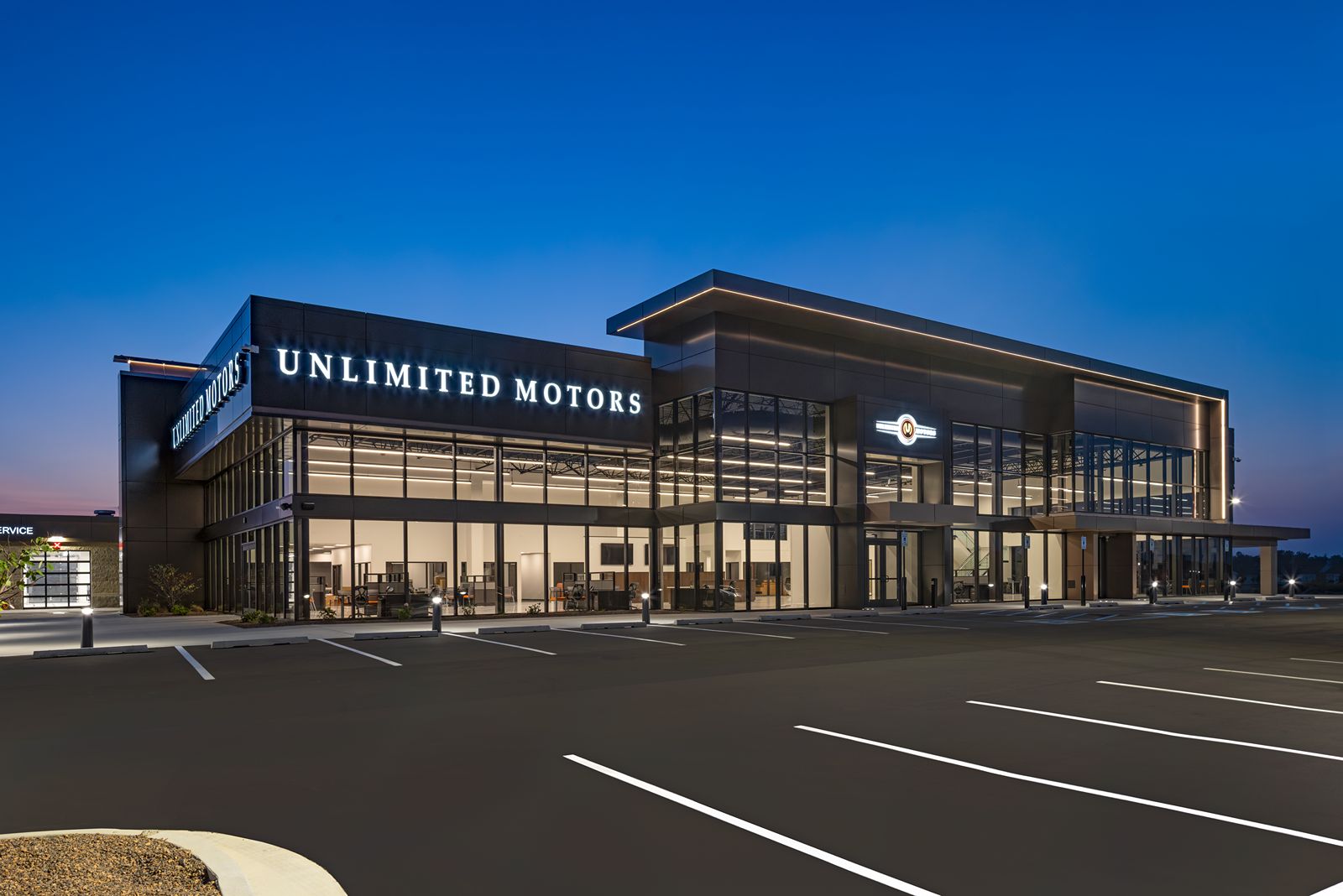
Auto Dealership Roofing roof planning built from the roof condition.
The review connects leak history, membrane condition, flashing details, drains, penetrations, access, and schedule constraints into a practical roof path.
Commercial Roofing Contractors of Boston keeps the next step clear for Boston, MA commercial buildings that need repair, replacement, coating, or maintenance decisions.
Commercial roof scope, documentation, access planning, and weather-aware scheduling for acrylic roof coatings.
Boston's automotive retail landscape is rooted in major dealer groups including the Herb Chambers Companies, one of the largest dealership groups in New England, operating franchises from Honda to Rolls-Royce across the metropolitan area. Each Herb Chambers facility represents a significant commercial real estate investment where the roofing system protects not just the building but the vehicle inventory, the high-tech diagnostic equipment in service bays, and the customer experience that drives repeat business and OEM satisfaction scores. Roofing contractors who serve Boston-area dealerships must be prepared for the challenges of occupied urban facilities, stringent OEM standards, and New England's demanding climate.
Boston's winter climate creates specific roofing challenges for auto dealerships that differ from those of simpler commercial building types. Showroom roofs are often high-visibility components of architecturally designed brand facilities where OEM standards prescribe specific materials, colors, and aesthetic conditions. A leak in the showroom during a nor'easter is not just a maintenance event—it is a customer experience failure that reflects on both the dealership and the brand. High-quality membrane systems with 20-year manufacturer warranties, installed by authorized applicators, provide the documentation that OEM facility compliance programs require and the reliability that dealership operators demand.
Service department roofs in Boston-area dealerships carry the full complexity of penetrations from skylights, exhaust fans, compressed-air systems, and HVAC equipment, all of which must be properly waterproofed in a climate where freeze-thaw cycling occurs 80 or more times per winter. Boston's freeze-thaw cycling attacks every caulk joint and rigid penetration detail systematically over a 20-year roof life. Service departments are also among the most operationally critical spaces in a dealership—vehicles booked for service represent committed revenue, and a water leak in the service bay creates immediate liability exposure when customer vehicles are damaged.
Service bay skylights are common in Boston dealerships because natural light improves technician working conditions and reduces artificial lighting costs in service bays that operate 10 or more hours per day. In Boston's climate, skylight curbs must be robust enough to handle ice accumulation that builds at their base during winter storms. Counter-flashing at skylight curbs must overlap the membrane substantially—6 inches minimum—and must be mechanically fastened and sealed to resist ice-driven water infiltration. Skylights with damaged or aged glazing should be replaced during re-roofing to prevent the post-project returns that occur when aging glazing fails months after a new membrane is in place.
Occupied operations at Boston dealerships require particular attention to debris containment given the density of the urban environment. Customer vehicles parked adjacent to the building, pedestrians on public sidewalks, and neighboring properties all require protection from roofing debris. Boston building permits for commercial roofing typically require debris containment plans. Experienced Boston commercial roofing contractors understand these requirements and include them in their standard project scope rather than treating them as add-ons that increase cost after contract execution.
Snow load management on Boston dealership roofs requires both structural assessment and operational planning. Large showroom roofs with unusual structural spans may have limited snow load capacity compared to simple rectangular service department roofs. Snow removal from Boston dealership roofs after major nor'easters is sometimes necessary when storm accumulation approaches design load values. Roofing contractors can advise on snow removal protocols—including areas that can be safely walked by removal crews and areas where structural assessment is needed before personnel access is appropriate.
OEM facility standards from luxury brands active in the Boston market—Mercedes-Benz, BMW, Audi, Porsche—are particularly prescriptive about facility condition and appearance. These standards often require documentation of roofing system type, age, and warranty status as part of periodic facility reviews. Maintaining current roofing warranty documentation and having a clear service history is operationally important for Boston dealerships whose franchise agreements include facility compliance provisions. A roofing contractor who provides thorough close-out documentation—warranties, as-built drawings, maintenance recommendations—adds value beyond the physical installation.
Service canopy roofing at Boston dealerships must withstand nor'easter wind and snow loading that far exceeds what canopy structures in milder climates are designed for. Canopy roofs should be checked specifically for adequate structural wind bracing and for membrane edge metal that is fastened to withstand the high wind pressures that exposed canopy structures experience during major storms. Post-nor'easter inspections of service canopy roofs are a prudent practice, checking for edge metal lifting, membrane corner pull-off, and drain clogging from storm debris.
The contractor selection process for Boston auto dealerships should verify Massachusetts HIC or construction supervisor licensing, adequate insurance appropriate for the urban environment, and specific experience with dealership projects in New England. Ask about the contractor's familiarity with Boston-area building permit requirements, their debris containment plan for urban projects, and their experience managing snow load and ice dam issues specific to dealership building configurations. The complexity of Boston's urban environment and demanding climate rewards contractors who have solved these specific challenges before.