

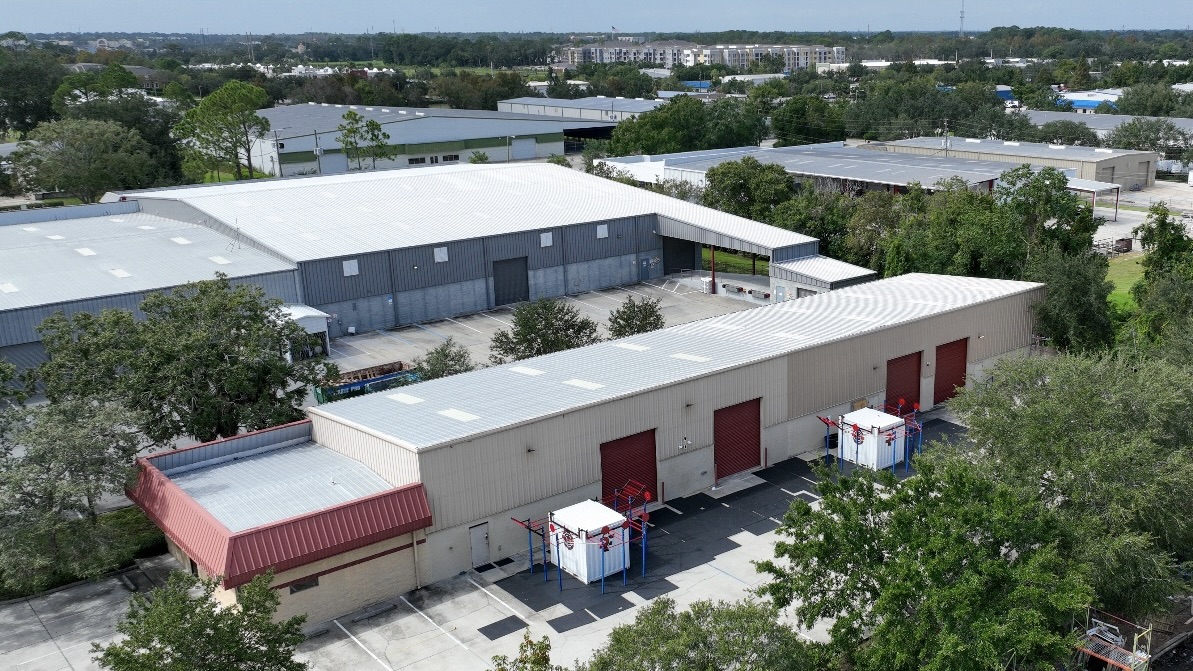
What actually happens on a roof service agreement.
Plenty of owners sign a roof service agreement for the price certainty and the warranty paperwork. What keeps them renewing is quieter than that: the roof stops producing surprises. The agreement is a calendar — two scheduled rooftop service visits a year plus a pre-snow stop — and every date on it has a specific job.
The rhythm matters in this market. A Boston commercial roof spends winter under load, spring soaking, summer baking, and fall filling its drains with leaves. Each season leaves a signature on the membrane, and each visit is timed to erase the one just written — on EPDM fields in the Seaport, ballasted roofs along Route 128, and older built-up assemblies above downtown storefronts alike.
The spring visit: repairing what the thaw exposes
Spring is triage. Months of freeze-thaw have worked every seam on the roof, and ice damming at scuppers and eaves has pried at edge metal and counterflashing all season. The crew walks the full field, probes the laps that moved, patches splits and fishmouths, reseats lifted flashing, and flushes winter grit out of the drains. On older masonry buildings — and this city has plenty — parapets and copings get particular attention, because that is where a hard thaw does its most patient damage.
The fall visit: a full service before the weather turns
Fall is the heavy working visit. Every drain, scupper, and gutter is cleared of leaves before they can dam the first storm. Sealant beds around HVAC curbs, pipe penetrations, and pitch pockets are cut out and re-run where they have split. Field membrane gets patched wherever a summer of rooftop traffic left punctures. The visit closes with a photo report delivered within two business days: what was found, what was fixed on the spot, and what should be scheduled next.
The pre-snow stop
Before the first real snow lands, we come back for a shorter visit with a single purpose: making sure the roof can shed meltwater all winter. Drains and scuppers are cleared a second time, membrane and flashings get a final check, and anything questionable is corrected while it is still reachable. Once snow load is sitting on a roof, a blocked drain stops being a maintenance item and becomes a structural question — the pre-snow stop exists so you never have to ask it.
Between the visits
The agreement earns its keep between dates too. Every visit produces dated photographic documentation — exactly what membrane manufacturers expect behind a warranty claim, and what an insurance adjuster wants to see after a storm. If a nor'easter opens something up in January, agreement holders go to the front of the emergency queue, and the crew that responds already knows the roof it is climbing onto. All of it comes at one flat annual price, set after a single walkthrough.
To see the calendar priced for your building, call 617-958-5836 or send the address through the contact page. One rooftop walkthrough, then a flat annual quote covering both scheduled visits, the pre-snow stop, drain clearing, and the minor repairs completed along the way.