

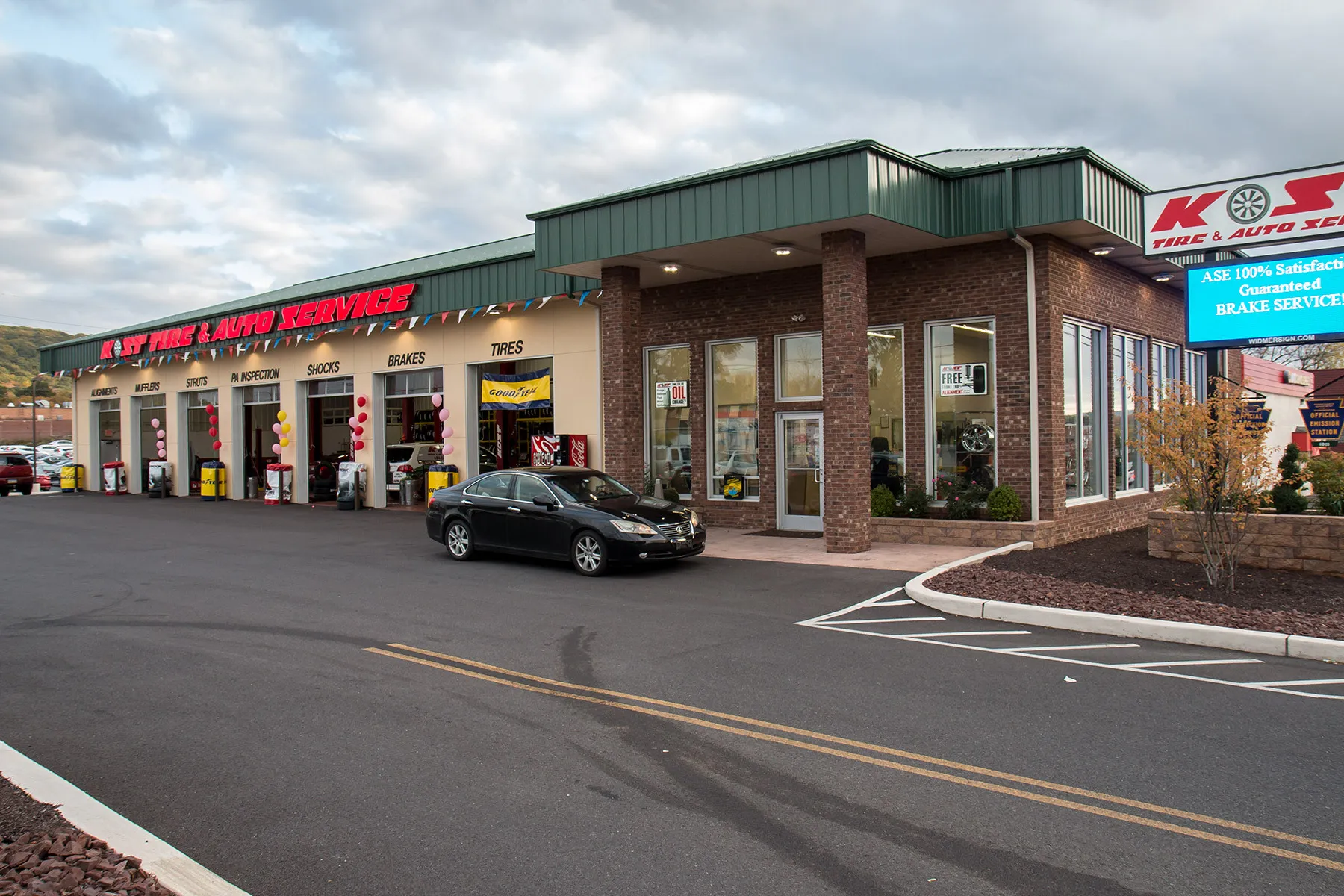
Automotive Manufacturing Facility Roofing roof planning built from the roof condition.
The roof path may involve leak repair, preventive maintenance, coating review, recover planning, or full replacement depending on the age and condition of the assembly.
Commercial Roofing Contractors of Boston helps organize those choices into clear next steps for commercial buildings in Boston, MA.
Automotive Manufacturing Roofing in Greater Boston
The automotive footprint around Boston is built on advanced manufacturing and the parts supply chain rather than full vehicle assembly. The 128 and I-495 belts host powertrain machining, stamping and metal-forming shops, EV battery and component plants, and Tier 1 and Tier 2 suppliers feeding both the regional robotics economy and the broader auto industry. Industrial corridors through Wilmington, Devens, Franklin, and the Route 3 belt up toward the New Hampshire line carry exactly the kind of large-deck industrial buildings this work demands. We roof these plants knowing the deck is enormous, the process loads are real, and the production schedule is unforgiving.
On these buildings the governing number is communicated before we ever sign a contract: the plant's facility engineering team tells us the cost per hour of a production interruption. Everything about how we plan, mobilize, and sequence flows from that figure. A roofing-driven shutdown on a multi-shift line is not measured in inconvenience, it is measured in dollars per minute, and we treat the work accordingly.
Very Large Decks and Phased Sequencing
Manufacturing roofs are among the largest single envelopes in commercial construction. A facility can carry hundreds of thousands of square feet of deck under one roof, which makes phasing the entire job. We section the roof into manageable zones, sequence tear-off and material delivery to stay within crane reach, lift windows, and on-site storage limits, and keep production running in adjacent zones while work proceeds in the active phase. Logistics coordination at this scale is what separates a clean reroof from a project that backs up onto the production floor.
- A zone-by-zone phasing plan tied to which roof areas sit above active lines and which sit over support space.
- Material staging and crane logistics planned around lift windows and storage constraints so the deck is never overloaded and the yard is never blocked.
- Daily dry-in confirmed before each shift change, with direct communication to the plant maintenance foreman throughout.
- Deck-capacity verification before insulation thickness is set, since added weight has to respect the existing structure.
Paint Shops and Hot-Work Restrictions
Where a paint or coating operation exists, the roof above it changes the rules. Paint processes generate solvent vapor and carry fire-suppression requirements that drive hot-work permitting, adhesive selection, and torch limits. We develop the hot-work plan with the plant's environmental health and safety team before anyone works on or above a paint-adjacent zone, and we specify cold adhesive or mechanical attachment instead of torch application in those areas. Solvent-based adhesives are not acceptable above active paint operations. These are not surprises mid-project; they are standard scope-planning items we handle up front.
Process Vibration and Ventilation
Stamping presses, casting equipment, and heavy machining transmit vibration up into the deck at frequencies an ordinary office building never sees. That matters because press-level vibration can fatigue membrane seams and flashings that were welded or bonded without accounting for it. We adjust the membrane specification and welding procedures for press-adjacent zones so seams hold up under sustained vibration. Process ventilation adds its own dense field of exhaust penetrations and make-up-air curbs, each of which we flash and document individually rather than treating as a uniform field.
Membranes for Large-Span Industrial Roofs
For the broad open spans of a manufacturing plant, a heavier-gauge mechanically attached TPO is the common starting point, with fully adhered systems specified in paint zones where fastener patterns conflict with hot-work limits. Tapered insulation is added where drainage has degraded over the building's life, and EPDM remains a durable option on certain large industrial decks. The right system depends on deck type, process loads, drainage history, and how much disruption the running plant can tolerate, which is why we core and survey before specifying.
Working With OEM and Supplier Schedules
Tier 1 and Tier 2 suppliers around Boston often run just-in-time delivery with zero tolerance for a line stoppage, which puts the same operational pressure on us as a large OEM plant. We approach them the same way: document the production schedule, sequence the roofing around it, and keep daily contact with the facilities lead so the work never threatens a shipment.
Snow Load and Drainage on a Massive Roof
A roof this large is also a snow problem every New England winter. Hundreds of thousands of square feet of flat deck collect drifting snow that loads unevenly behind parapets, rooftop screens, and tall process equipment, and the meltwater has to find drains that are often spaced far apart across a wide field. Ponding that would be a nuisance on a small roof becomes a structural and leak concern at this scale, especially where the original drainage has flattened out over the building's life. We evaluate drain capacity and spacing, add tapered insulation to move water where the slope has degraded, and plan snow-management access so accumulation around critical penetrations does not back up into the building. Wind uplift across an exposed industrial roof in a Nor'easter is its own design case, and the perimeter and corner fastening have to reflect it.
Process Heat, Make-Up Air, and Rooftop Loads
Manufacturing interiors run hot and ventilation-heavy, and that changes the roof. Welding, machining, casting, and curing operations push heat and fumes upward, drawing large make-up-air units and exhaust fans that crowd the deck and add concentrated structural load. Those rooftop loads, combined with the snow load above, mean insulation thickness and any added equipment have to respect the deck's real capacity. We verify structure before adding weight, detail the make-up-air and exhaust curbs individually, and account for the interior heat gain when selecting and attaching the membrane so the assembly holds up under both the process below and the weather above.
Documentation Built for Plant Engineering
Manufacturing closeout runs heavier than a typical commercial job. We provide contractor safety qualification records, a site-specific safety plan, the OSHA log summary, warranty registration, a roof-zone diagram with a penetration inventory, daily work reports, permit records, and a photographic condition survey. Where a plant requires documentation formatted to its corporate facility-management standards, we deliver it in that format so it drops straight into the engineering department's system.
Questions From Plant Engineering Teams
How do you keep our line running during a reroof?
We phase the roof into zones tied to your shift schedule, keep work clear of active production, and confirm dry-in before every shift change. We stay in direct contact with your maintenance foreman so nothing on the roof threatens the floor.
How do you handle the paint shop area?
We build a hot-work plan with your EHS team before touching paint-adjacent zones and switch to cold adhesive or mechanical attachment where torch work is excluded. Solvent-based adhesives are not used above active paint operations.
Does press vibration really affect the roof?
Yes. Sustained vibration from large presses can fatigue seams and flashings that were not designed for it. We adjust the membrane spec and welding procedures in press-adjacent zones to handle the load.
What documentation do you provide at closeout?
A full package: safety qualification and plan, OSHA log summary, warranty registration, a roof-zone and penetration diagram, daily reports, permits, and a photo condition survey, formatted to your corporate standards when required.