
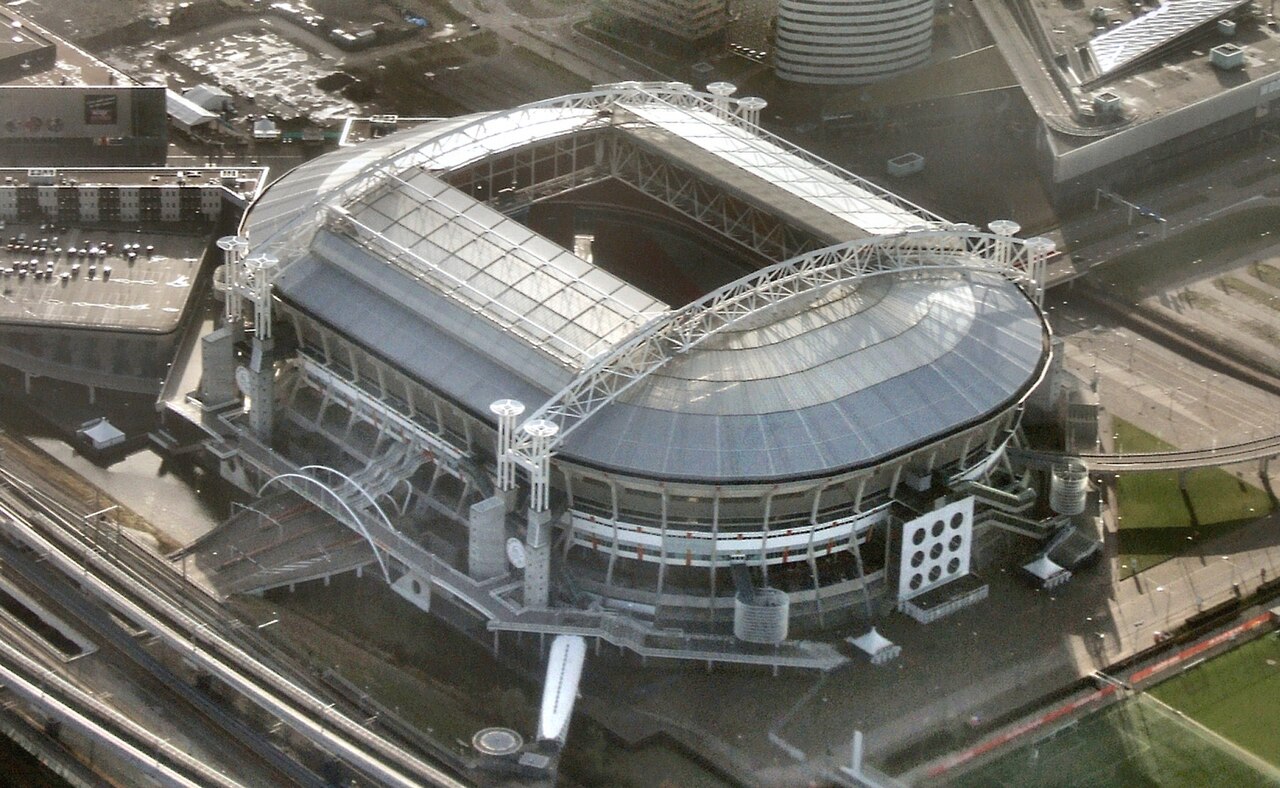
Stadium & Arena Roofing roof planning built from the roof condition.
The roof path may involve leak repair, preventive maintenance, coating review, recover planning, or full replacement depending on the age and condition of the assembly.
Commercial Roofing Contractors of Boston helps organize those choices into clear next steps for commercial buildings in Boston, MA.
Commercial roofing for stadium & arena roofing in Boston, MA — specifications, scheduling, and project coordination for this building type.
Stadium and arena re-roofing in Boston triggers building permit requirements and code compliance obligations that differ from standard commercial construction. Assembly occupancy classification — the code designation that applies when a building is designed to hold large numbers of people in a concentrated area — imposes specific requirements for emergency egress maintenance, fire suppression system protection, and the sequencing of inspections during occupied building operations. Understanding these requirements before mobilization is not optional: it's the difference between a project that proceeds without interference and one that gets stopped by the building department mid-phase.
The fire marshal has authority over any construction that affects life-safety systems in an occupied assembly building. Smoke exhaust fans, emergency lighting, sprinkler coverage, and egress path protection are all within the fire marshal's purview during roofing construction. If a roofing phase requires temporary disconnection of smoke exhaust equipment, a documented alternate means of compliance — approved in writing by the fire marshal — must be in place before work on that section begins. We coordinate fire marshal interface as part of mobilization planning, not as a response to a field stop-work order.
Stadium & Arena Roofing — Compliance Questions
A building permit is required for all stadium and arena re-roofing projects in Boston. Assembly occupancy classification triggers plan review by both the building department and the fire marshal's office. The permit application requires specification documents, manufacturer product data, and in some cases a structural engineer's letter confirming the new assembly load is within the existing structure's capacity. Permit lead time for assembly occupancy projects in Boston typically runs 3-6 weeks — we submit the application as soon as the contract is executed.
Assembly occupancy buildings require that roofing materials meet specific flame spread and smoke development ratings — stricter than standard commercial requirements. Insulation products, adhesives, and membrane materials must be rated for the assembly occupancy classification under the applicable building code. We specify only products with compliant fire ratings for assembly occupancy applications and provide product data sheets confirming compliance as part of the permit submittal.
Any work that affects life-safety systems — smoke exhaust equipment, emergency lighting, sprinkler coverage, emergency egress routes — requires written coordination with the fire marshal before that work phase begins. For stadium projects, this typically includes a pre-construction meeting with the fire marshal to review the phasing plan, confirm temporary alternate compliance measures for any systems temporarily affected, and establish the inspection schedule. We prepare and manage this coordination as part of our pre-construction deliverables.
Publicly owned stadium and arena projects in MA typically require: contractor's license in MA, general liability and workers' compensation certificates, performance and payment bonds at the specified thresholds, certified payroll capability for prevailing wage compliance, and manufacturer certification for the specified roofing system. Some facilities also require safety certification documentation — OSHA 30-hour trained supervisors, site-specific safety plans reviewed by the owner's safety officer. We hold all required certifications for public venue work.
Building department inspections are required at minimum for rough-in (before insulation is covered), pre-membrane (deck and insulation condition), and final (completed membrane, all flashings, drain connections). Manufacturer field representative inspections are required at the same stages to maintain warranty eligibility. Fire marshal inspections are required before any life-safety system that was temporarily affected is restored to permanent service. All inspections are scheduled as part of our construction schedule, not as afterthoughts.