

Restaurant and Food Service Building Roofing roof planning built from the roof condition.
The review connects leak history, membrane condition, flashing details, drains, penetrations, access, and schedule constraints into a practical roof path.
Commercial Roofing Contractors of Boston keeps the next step clear for Boston, MA commercial buildings that need repair, replacement, coating, or maintenance decisions.
Commercial roof scope, documentation, access planning, and weather-aware scheduling for acrylic roof coatings.
Boston's food service landscape is powered by one of the country's most concentrated and competitive restaurant markets, spanning the North End's Italian corridor on Hanover Street, the seafood traditions of the waterfront and Quincy Market area, the upscale dining of Back Bay and the South End, and the dense fast casual and QSR strips along Commonwealth Avenue, Cambridge Street, and the Fenway-Kenmore commercial district. Dunkin' maintains its cultural homeland status with locations on virtually every significant commercial block, and the full roster of national fast food brands operates alongside the James Beard-recognized independent dining scene that has established Boston as a culinary destination. Every food service building in this dense urban market contends with a climate that delivers genuinely brutal winters, significant snow loads, freeze-thaw cycling from November through April, and summer heat and humidity that taxes cooling systems already competing with kitchen heat output.
Boston's winter roof loads are among the most demanding of any major American city for flat commercial roofs. Snowfall events can exceed two feet in a single storm, and the January and February blizzards that periodically shut down the city deposit extraordinary weight on flat restaurant roofs. The thermal mass of commercial kitchen equipment creates roof sections that melt snow more quickly than adjacent unheated areas, generating localized ice formation at the edges of these warm zones — a freeze-thaw dynamic that works penetration flashings open through repeated cycles across the winter season. Boston restaurant operators who don't clear snow from flat rooftops after major events are accepting structural load risk and the progressive flashing damage that ice cycle stress produces.
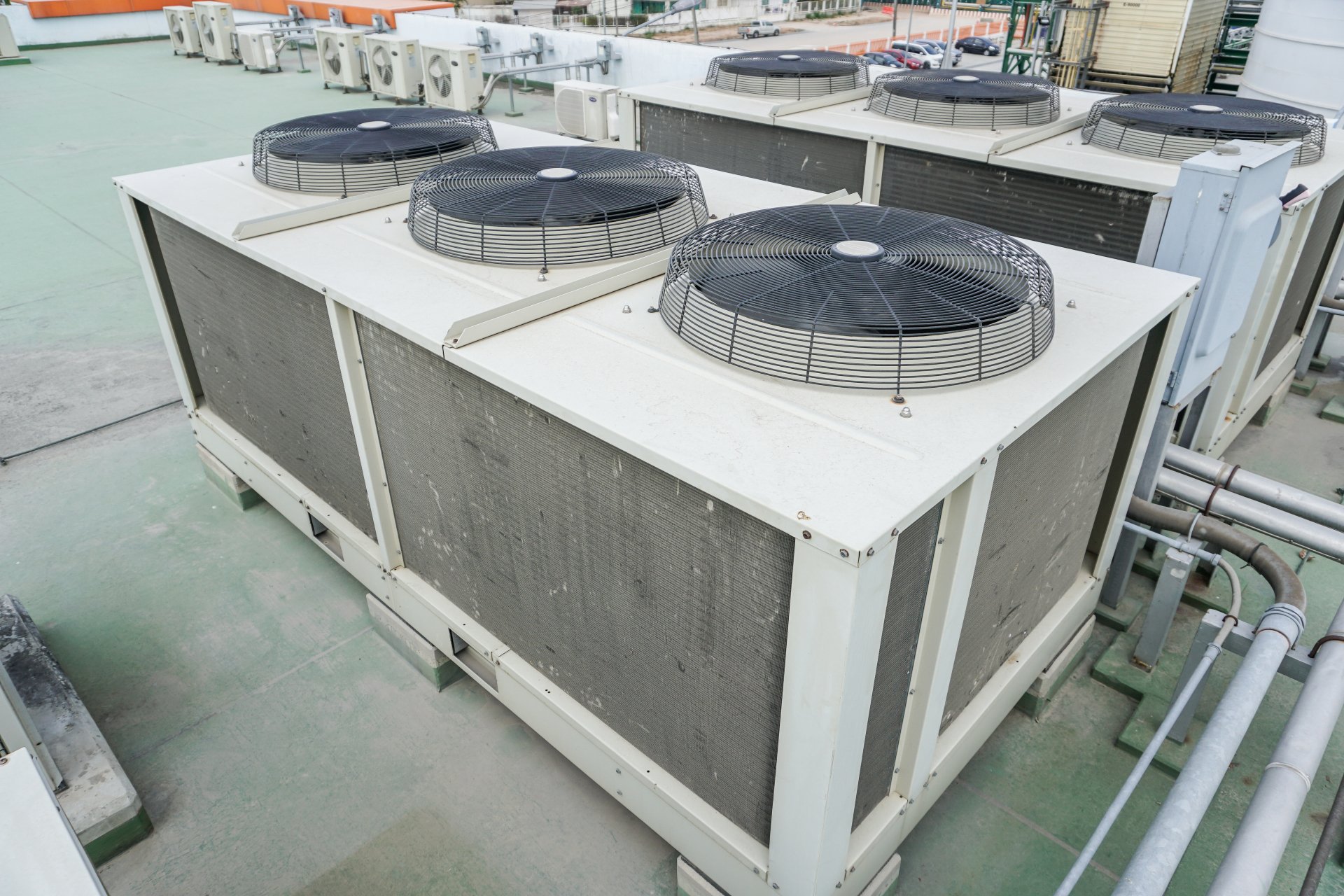
The freeze-thaw cycling that Boston experiences from November through April is relentless in its effect on grease exhaust penetrations. The warm air from kitchen operations exits through exhaust penetrations even when outdoor temperatures are well below freezing, and the temperature differential at the flashing edge creates a zone of continuous freeze-thaw cycling that fatigues sealants faster than summer heat alone would. Grease deposits at these penetrations trap moisture against flashing edges during freeze events, accelerating the sealant failure that eventually creates a water entry point. Annual re-sealing of all exhaust penetrations in October, before the freeze season begins, is the minimum maintenance standard for Boston food service buildings — some high-volume operations justify semi-annual treatment.
The Fenway neighborhood's concentration of sports bars, brewpubs, and high-volume restaurants near Fenway Park creates a specific operational context where revenue peaks are tied to Red Sox home games and the associated foot traffic that fills Lansdowne Street and Jersey Street operations from April through October. Roofing work in Fenway-area restaurant buildings must be planned around the baseball season and the other Fenway events that drive peak revenue, meaning major project work should target the November-through-March off-peak window — which is also, inconveniently, when Boston weather is most challenging for roofing installation. Experienced Boston roofing contractors who work with food service clients understand this constraint and schedule installation appropriately for each membrane type's temperature requirements.
Walk-in cooler and freezer operations in Boston restaurants face a counterintuitive winter challenge: the extreme cold that makes summer refrigeration energy-efficient can cause condensate line freezing in roof-mounted refrigeration equipment if those lines aren't properly insulated and heat-traced. Frozen condensate lines overflow into cooler ceiling cavities and roof penetration areas, creating ice buildup that forces flashings open during the thaw-refreeze cycle that follows. This failure mode is particularly common on rooftop cooler units installed by contractors without cold climate experience who don't specify heat tape on condensate drain lines. Retrofitting heat tape on existing condensate drain lines is a straightforward fix that prevents recurring winter moisture intrusion events.
Boston's building stock includes a significant number of historic commercial structures in neighborhoods like the North End, Beacon Hill, and Back Bay where restaurant tenants occupy older buildings with flat or low-slope roofs that have accumulated decades of roofing layers. In some cases, city historic preservation requirements constrain the scope of roofing modifications, particularly on buildings in designated historic districts. Commercial roofing contractors working on Boston food service buildings in these areas need familiarity with both the practical roofing requirements of kitchen operations and the preservation review process that may apply to certain building modifications. Operators in historic neighborhoods should confirm the applicable review requirements before committing to a re-roofing specification.
Ghost kitchens and delivery-focused food operations have established a meaningful presence in Boston's industrial fringe neighborhoods, including parts of South Boston, the South End's western industrial corridor, and the Newmarket food production district where commercial kitchen commissary operations have historically been concentrated. The Newmarket district's existing food production infrastructure makes it a natural location for ghost kitchen expansion, and operators taking space in these buildings benefit from neighbors who understand commercial kitchen roofing requirements — but should still conduct independent assessments of each building's specific roof condition rather than assuming that food industry adjacency guarantees maintained roofing systems.
TPO membrane systems are widely specified for Boston food service building re-roofing because their heat-welded seams provide continuous waterproofing that withstands Boston's freeze-thaw cycling better than lapped seam systems that rely on adhesive bonds. The limitation of TPO installation in cold weather — most manufacturers require ambient temperatures above 40°F during installation — means that Boston re-roofing projects are best scheduled in the late spring through early fall window to ensure proper installation conditions. Projects that must proceed during colder months require heated enclosures and modified installation protocols to achieve proper weld quality, adding cost and complexity that should be factored into winter scheduling decisions.
Massachusetts food service inspection under the Department of Public Health's retail food program evaluates ceiling conditions in food prep areas as part of standard compliance reviews, and Boston-specific enforcement is active in the city's dense restaurant market where inspectors visit facilities on regular schedules. The city's public health database makes inspection records accessible online, and Yelp's auto-populated health inspection score display means that even a single ceiling moisture violation can influence customer perceptions in Boston's competitive dining environment. Boston restaurant operators invest in their physical facilities at high rates compared to national averages precisely because the market is sophisticated enough to notice and respond to evidence of deferred maintenance — and a leaking roof that shows up as a health violation is a visible signal of neglect that the city's discerning dining public doesn't forgive easily.